This report reviews recent advances in CAR-T cell therapy, session by session, focusing on innovations in engineering, expansion into new disease areas, risk management and key research findings. It highlights next-generation CAR-T strategies, applications beyond oncology (notably in autoimmune diseases), risk stratification, dual-targeting approaches and insights from leading researchers and clinical studies.
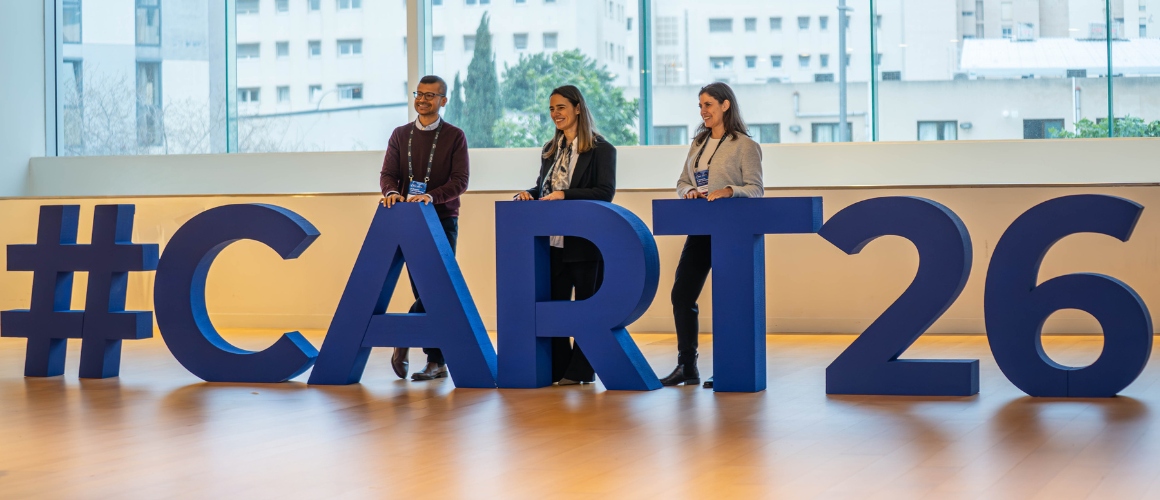
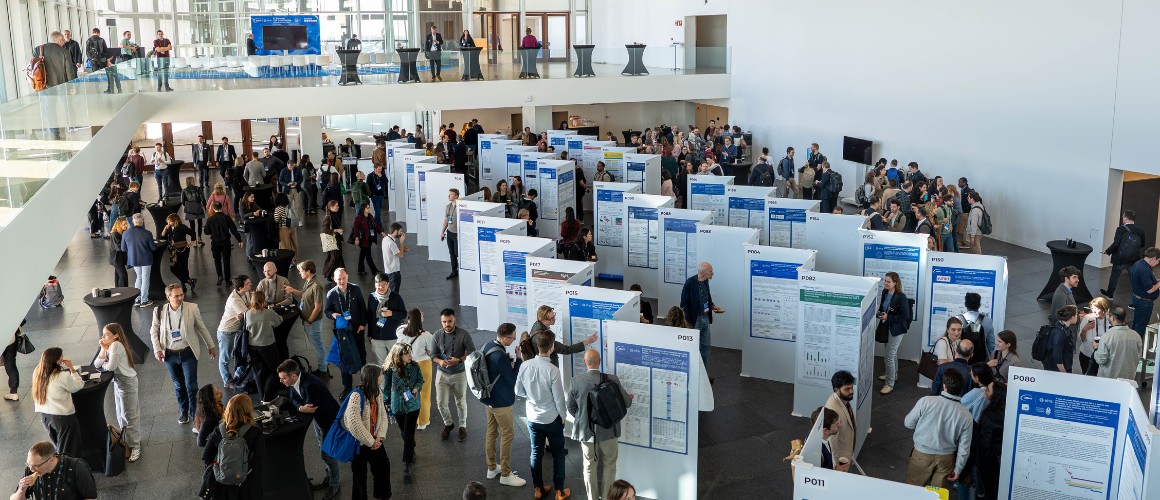
The meeting itself welcomed close to 1,000 in-person international participants, alongside 211 virtual attendees, with delegates representing more than 60 countries worldwide. Out of a record of 257 submitted abstracts, the highest scored abstracts were selected for oral presentation. All sessions were well attended with presentations covering a range of tops from pre-clinical studies to clinical trial updates. The following summarises the oral presentations made during these sessions.
Special thanks to the editors for preparing this report:
Ane Altuna, Fundació de Recerca Clínic Barcelona-IDIBAPS, Barcelona, Spain
Jenny Yeung, UCL Great Ormond Street Institute of Child Health, London, UK
Giorgio Orofino, IRCCS San Raffaele Scientific Institute, Milan, Italy
Alex Rampotas, University College London, UK
Valentín Ortiz-Maldonado, Hospital Clinic of Barcelona, Spain
Authors of the Nurses Sessions: Thomas Jezequel, Michelle Kenyon, Ruth Clout, Mairéad NíChonghaile, Hilda Mekelenkamp.
Acute Leukaemia
Thursday, 12 February 2026 | 13:30 – 15:00
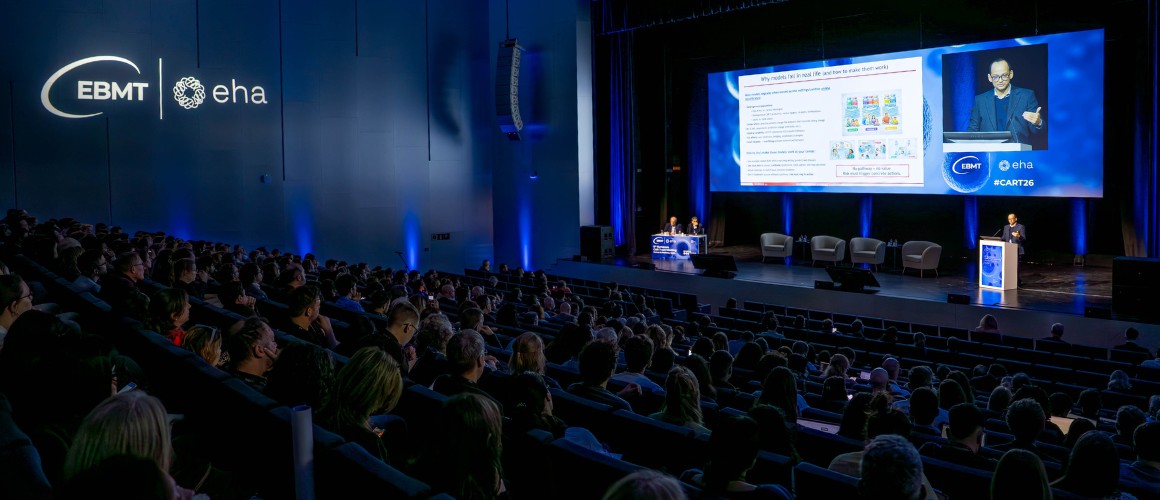
In the paediatric B‑ALL session, Franco Locatelli stressed that achieving durable, long‑term remissions in ~one third of treated patients is not a marginal result—it is a substantial clinical success that has already changed expectations in this disease. He noted that cytogenetics alone does not fully explain outcome heterogeneity and focused attention on the main actionable driver emerging from risk‑factor analyses: tumour burden at infusion. In particular, marrow involvement >5% blasts stood out as the strongest adverse prognostic factor, reinforcing the rationale to treat earlier and/or with effective bridging to reach lower‑burden states whenever feasible. Among optimisation avenues, he highlighted dual targeting (CD19/CD22) and reported early signals of improved long‑term disease control when “fresh” products are co‑administered. He also underlined adequate fludarabine exposure as a modifiable determinant associated with better outcomes. Finally, he commented on allogeneic approaches (alloCAR‑T): while still early and based on limited series, the field is moving fast and initial results are encouraging, with very high complete response rates and deep MRD negativity supporting continued development.
In adult B‑ALL (Valentín Ortiz‑Maldonado), a key message was that all CD19‑directed CAR‑T products approved to date consistently achieve high rates of complete remission with MRD negativity (generally ≥70%). Although pivotal trials differ in design, eligibility and bridging, the treated populations are broadly comparable, and—despite some variation in toxicity profiles—the long‑term efficacy signals are remarkably similar across platforms. Median PFS typically clusters around ~12 months and median OS around ~18 months. This pattern suggests that durability is strongly constrained by treating patients with overt disease and higher tumour burden. Consequently, two actionable levers were emphasized: (i) optimizing lymphodepletion to support CAR‑T expansion and persistence, and (ii) delivering CAR‑T earlier or after effective cytoreduction so patients reach infusion with lower tumour burden, which repeatedly associates with deeper and more durable benefit.
In T‑ALL, Nicola Maciocia reviewed the central challenge of “shared antigens” (CD2, CD5 and CD7 expressed on both malignant and healthy T cells) and presented strategies to overcome fratricide and T‑cell aplasia. Approaches discussed included autologous anti‑CD7 without prior CD7 elimination, with very high reported CR and MRD‑negative rates (≈94% in published series), as well as CD7‑PEBL platforms and allogeneic alternatives. Donor‑derived experiences (≈80% CR in 20 patients) and base‑editing approaches were also mentioned. Overall, these data consolidate CD7 as the leading target in T‑ALL, while safety and immune reconstitution remain key translation‑limiting issues.
Keynote Lecture (Carl June) & New frontiers and innovations Translational Session 1
Thursday, 12 February 2026 | 15:40-17:10
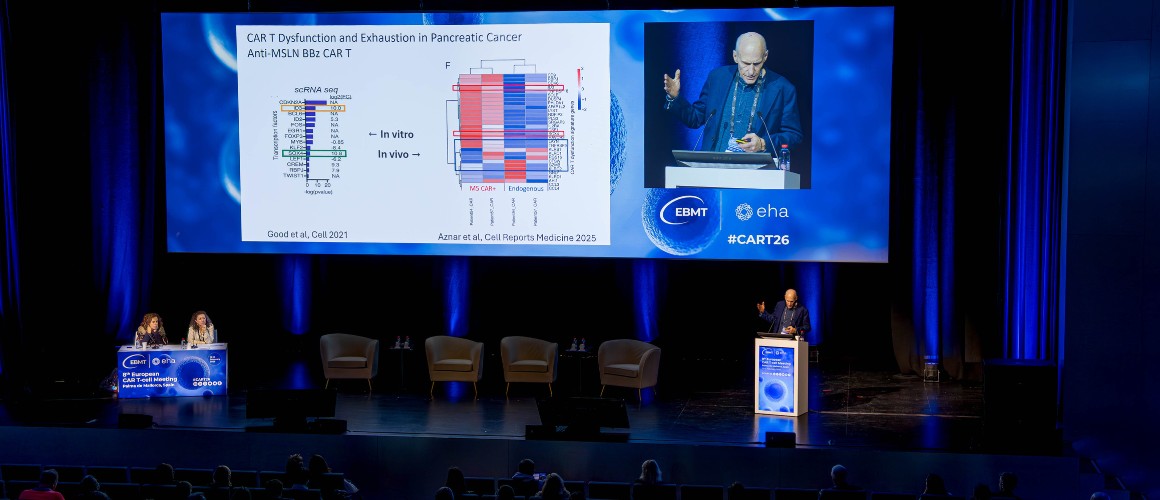
This session showcased next-generation CAR-T innovation across oncology and autoimmunity, spanning “armored” designs, genome/AI-enabled engineering, and emerging in vivo CAR delivery concepts aimed at aimed at improving persistence and cytotoxicity while overcoming resistance.
Main themes
- Armored/TRUCK CAR-T strategies to enhance T-cell function and reshape the microenvironment (e.g., cytokine-secreting CARs).
- Solid tumor CAR-T progress and remaining barriers: precision targeting, persistence, and resilience to antigen escape/exhaustion.
- AI-driven de novo binder/CAR design to anticipate and overcome antigen escape variants.
- Genome/base-editing approaches to “titrate” signaling pathways (PI3K/NF-κB) depending on CAR architecture (CD28 vs 4-1BB).
- Patient-informed computational/AI frameworks to identify determinants of response/toxicity and guide engineering.
Selected highlights
- Keynote Lecture by Carl June (United States): Provided an overview of next-generation CAR-T engineering, highlighting the shift from first-generation CD19 designs to armored strategies aimed at improving durability and solid tumor applicability.
- IL-18 TRUCK CAR-T (huCART19-IL18) in r/r CD19⁺ cancers (including refractory lymphoma) with encouraging early activity (ORR ~80%, CR ~50%)
- Armored CAR-T cells in solid cancers: claudin 18.2 CAR-T in gastric and pancreatic cancer, which have shown phase 2 survival benefit signals.
- Armored CAR-T cells using IL-9 receptors: IL-9 signaling may support a less terminally differentiated, more persistent T-cell state, potentially enhancing long-term functionality without driving excessive exhaustion.
- He also highlighted CAR-T expansion into autoimmune diseases as a model of immune reset; alongside emerging in vivo CAR delivery using lipid nanoparticles to transiently reprogram T cells and broaden access beyond conventional manufacturing.
- Andrea Schmidts (Germany): Presented an AI-guided strategy to redesign CAR binders against antigen escape, using modeling and mutational mapping to generate optimized variants and enable iterative, proactive CAR development.
- Josef Leibold (Germany): Base-editing screens in PIK3CD and the CBM/NF-κB pathway showed that “sweet-spot” signaling differs by costimulatory domain (E81K beneficial in 4-1BB but not CD28; L32P helpful in CD28), improving proliferation/persistence and in vivo control.
- Zinaida Good (United States): Presented a systems-level analysis of CAR-T cell states using single-cell and computational approaches to identify programs associated with response or relapse, showing that multi-omic integration with machine learning can predict persistence and guide CAR design.
Discussion points
- Enhancing CAR-T persistence through cytokine armoring (IL-18, IL-9R) and pathway tuning requires precise calibration of signaling strength.
- AI-guided binder redesign provides a proactive strategy to address antigen escape via structural modeling and mutational mapping.
- Signaling optimization is costimulation-dependent (CD28 vs 4-1BB), underscoring the need for context-specific CAR design.
Practical takeaways
- CAR-T durability can be enhanced through rational modulation of cytokine support and intracellular signaling, but optimal design must be calibrated according to the specific costimulatory backbone.
- Antigen escape should be proactively addressed by integrating structural modeling, mutational mapping, and iterative binder redesign into CAR development pipelines.
- Systems-level profiling of CAR-T cell states (single-cell and multi-omic approaches) provides actionable insight to guide next-generation engineering strategies aimed at sustaining functional persistence.
Patient in focus: Delving into CAR-T cell therapy accessibility challenges
Thursday, 12 February 2026 | 18:20 – 19:50
This session focused on CAR‑T accessibility from the patient and health‑system perspectives, stressing that clinical innovation only translates into impact if referral pathways, capacity, and funding allow eligible candidates to be treated in a timely manner. From a registry and health‑system viewpoint (Christian Chabannon), the importance of standardised data capture and registries was highlighted to monitor equity, outcomes and real‑world toxicities, and to support organisational decisions (capacity planning, timelines, and care pathways). From a policy and affordability angle, the discussion centred on the tension between clinical value, budget sustainability and inter‑country/regional variability. The practical takeaway was that improving access requires multi‑level coordination (centres, payers and regulators) and shared metrics to track performance and equity.
Best Abstracts Session 1
Friday, 13 February 2026 | 08:00-09:30
Anna-Sophia Baur from University Medical Center Freiburg, Munich, Germany, described a novel approach to target miR-146a in order to improve CAR T function. CD19 CAR T-cells generated from miR-146a deficient mice showed enhanced activation and cytokine production in vitro and prolonged survival of mice in a murine model of B-ALL. These data show that miR-146a as a promising target for improving CAR T-cell activation, effector function and persistence.
Marta Krawczyk from Mossakowski Medical Research Institute Polish Academy of Sciences, Warsaw, Poland, used an in vitro method to model the emergence of CD19 mutations which lead to antigen escape, a phenomenon found at higher rates in patients treated with CD19 (FMC63) CAR T which have 4-1BB co-stimulatory domain compared to patients which receive CD19 (FMC63) CAR that have CD28 co-stimulatory domain. 4-1BB CAR driven CD19 mutations resulted in loss of FMC63 binding or frameshift mutations. These data correlate with observations that CD19 CARs with 4-1BB co-stimulatory domain exhibit less rapid proliferation against tumour cells with lower antigen density which may lead to selection of CD19 mutations which lead to loss of binding to the CAR.
Linus Kruk from LMU University Hospital, Germany presented a multicentre observational study to determine whether administering CAR T-cells earlier in the treatment course alters the toxicity burden and whether host-specific risk factors differ between different treatment lines. Data showed that earlier introduction of CD19 CAR T therapy resulted in decreased hematotoxicity and infection severity, potentially due to a more favourable baseline risk profile. CAR-HEMATOTOX score emerged as a differentiating prognostic marker across all treatment lines.
Gaurav Narula from Tata Memorial Centre, India gave and update on outcomes from a multicentric roll-on Phase II study evaluating the Phase-2 Dose using a humanised CD19 CAR, Tali-cel, in children, adolescents and young adults with r/r B-ALL. Overall response-rates was 100% with CR in 17 patients (85%) patients at day 30, and sustained CR in 12 patients (60%) at day 90 post-infusion. A favourable safety profile and strong anti-leukemic activity was observed with high response rates, sustained B-cell aplasia, and significant MRD reduction using a dose of 5x10^6-10x10^6/kg.
Alessia Buratin from Josep Carreras Research Institute, Spain highlighted a platform integrating single-cell RNA and TCR sequencing, machine learning, and computational drug perturbation to identify predictive biomarkers and therapeutic targets to enhance CAR T efficacy in multiple myeloma and to elucidate the mechanisms which drive relapse. Signatures from CAR+ and CAR- cells from the infusion product and patient blood post-infusion were compared. Fitness of CAR+ cells at infusion was defined by presence of expandable durable clones. Patients with long-term responses compared to those who relapse early had distinct signatures which may be exploited and used to identify rational drug combinations to improve outcomes.
Clinical Cases & Keynote Lecture (Katy Rezvani)
Friday, 13 February 2026 | 08:30-09:30
Professor Hermann Einsele opened the session with an outstanding overview of CAR-T cell therapy in multiple myeloma, presenting a series of remarkable clinical cases that highlighted both the progress and the transformative potential of this approach. The field has expanded dramatically since the early clinical applications of BCMA-targeted CAR-T cells, and his presentation served as a tour de force covering efficacy, toxicity management, durability of response, and mechanisms of relapse. Particularly compelling were cases in which BCMA CAR-T therapy appeared to achieve sustained, treatment-free remissions, raising the possibility that a subset of patients may indeed be cured.
Dr. Víctor Torrecillas (Barcelona, Spain) followed with an inspiring presentation on the academic CAR-T product ARI0002h (commonly referred to as ARI002), developed at the Hospital Clínic of Barcelona. He demonstrated how this academically driven programme successfully translated into meaningful clinical benefit, including in the highly challenging setting of POEMS syndrome. The depth and quality of responses observed in these complex patients underscored not only the potency of BCMA-targeted CAR-T cells but also the importance of academic innovation in advancing the field.
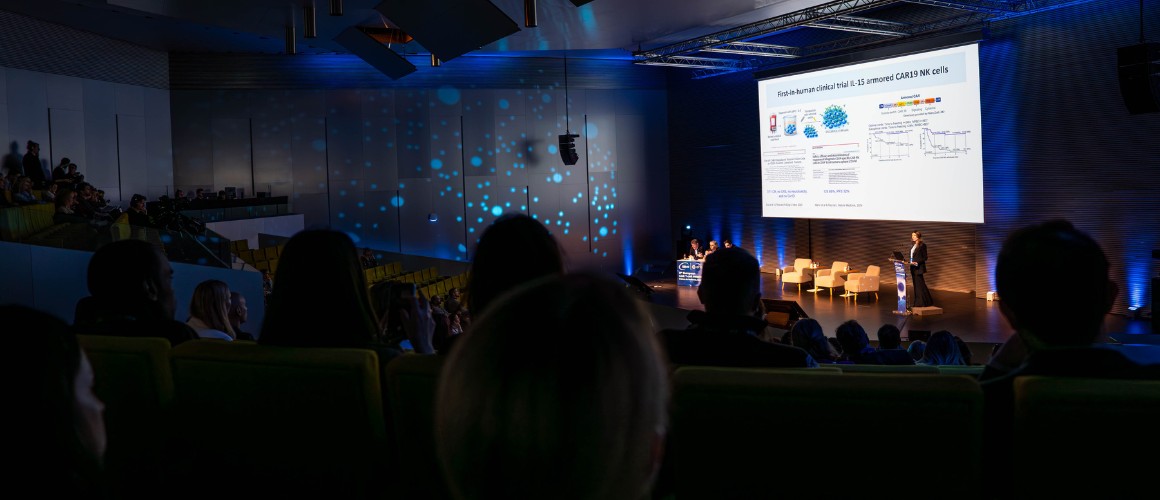
The keynote lecture by Professor Katy Rezvani offered an exciting glimpse into the future of cellular immunotherapy. She presented cutting-edge work on CAR-NK cells engineered with IL-15 support to enhance persistence and cytotoxicity, with promising applications in Hodgkin lymphoma and other malignancies. Particularly striking was her description of so-called “Frankenstein cells” — NK cells transduced with T-cell receptors (TCRs), thereby combining TCR-driven antigen specificity with the innate anti-tumour activity of NK-cell receptors. This dual-targeting strategy represents a sophisticated and potentially powerful evolution of adoptive cell therapy.
The session was exceptionally well received, with lively audience engagement and thoughtful discussion. Overall, it showcased both how far cellular therapy has come in myeloma and how rapidly the next generation of engineered immune effector cells is approaching clinical reality.
International Session
Friday, 13 February 2026 | 09:45-10:45
Alexandros Spyridonidis presented an exciting and innovative programme focused on regulatory T cell (Treg) therapy for graft-versus-host disease (GvHD) in Patras, Greece. Drawing inspiration from pregnancy and physiological immune tolerance, his group has identified a unique Treg population capable of inducing immune tolerance without compromising the graft-versus-leukaemia (GvL) effect. This distinction is critical, as many immunosuppressive strategies risk attenuating anti-leukaemic immunity. A Phase I clinical trial is currently underway at their centre, underscoring the group’s strong translational capability and their ability to deliver a novel cellular product to address a clear unmet need in stem cell transplantation.
Vanderson Rocha (São Paulo, Brazil) highlighted the significant challenges faced by healthcare systems in Brazil in supporting the expanding yet costly landscape of CAR-T cell therapies. Despite financial and logistical constraints, his team has implemented strategic patient selection and efficient resource allocation to maximise benefit from these therapies. The outcomes presented were highly encouraging and demonstrate how a healthcare system can overcome structural barriers while still delivering transformative and potentially curative treatments. He also emphasised the importance of clinical trials in facilitating early patient access to CAR-T therapies. Progress in the field continues rapidly, evolving from single-antigen targeting to innovative dual-target constructs, such as Auto8, which simultaneously targets BCMA and CD19 in multiple myeloma.
Finally, Michael Maschan discussed how academic CAR-T manufacturing represents a promising strategy for expanding access within his country. By developing in-house production capabilities, his group aims to reduce dependence on commercial platforms and broaden availability for patients who would otherwise lack access. The results achieved so far are significant, and their efforts illustrate how academic innovation can bridge treatment gaps and democratise access to advanced cellular therapies.
Solid Tumors Session
Friday, 13 February 2026 | 09:45-10:45
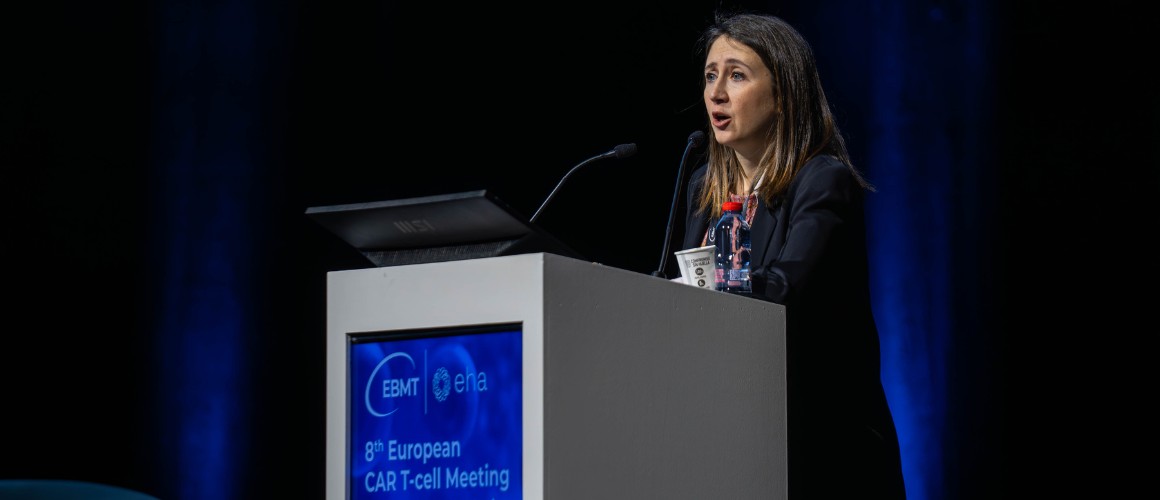
The Solid Tumors session tackled one of the most pressing challenges in the field: how to translate the remarkable success of CAR T-cell therapy in hematologic malignancies into meaningful efficacy for solid cancers.
Main themes
- Biological and microenvironmental barriers in solid tumors
- Pediatric solid tumors as a frontier for innovation
- Armored/NAP CAR T-cell platforms
- GPC3 as a target in solid malignancies
The session clearly illustrated that solid tumors represent not simply a new indication, but a fundamentally different biological ecosystem. Francesca del Bufalo opened with a compelling overview of CAR T strategies in pediatric solid tumors, emphasizing the importance of antigen density, trafficking, and T-cell fitness in heavily pretreated patients. Her talk underscored how pediatric programs often function as innovation incubators for the broader field of cellular therapies in solid tumors also in adult patients.
Subsequently, Magnus Essand presented data on NAP-CAR T cells, engineered to better withstand immunosuppressive tumor microenvironments.
Finally, David H. Steffin presented early clinical experience with GPC3-directed CAR T cells, demonstrating manageable safety profiles and encouraging signs of antitumor activity. GPC3 emerged as a promising but still carefully monitored target, given the balance required between efficacy and off-tumor effects.
Discussion points
- Antigen heterogeneity and on-target/off-tumor risk
- Whether enhanced potency inevitably increases toxicity
- Persistence versus functional reprogramming as key determinants of durability
Practical takeaways
In the context of solid tumors, it has become increasingly clear that effective CAR T-cell therapy cannot rely solely on target recognition but must actively address the suppressive tumor microenvironment. Engineering strategies that enable CAR T cells to resist inhibitory signals, adapt metabolically, and sustain function within hostile niches are therefore essential. At the same time, antigen selection requires a careful balance: targets must be biologically meaningful and sufficiently tumor-specific to drive efficacy, yet chosen with clinical caution to minimize on-target/off-tumor toxicity in normal tissues. Ultimately, next-generation “armored” CAR platforms, designed to combine precise targeting with enhanced functional resilience, may represent a critical bridge toward achieving durable and clinically meaningful responses in solid malignancies.
Indications Beyond Cancer Session
Friday, 13 February 2026 | 11:25-12:55
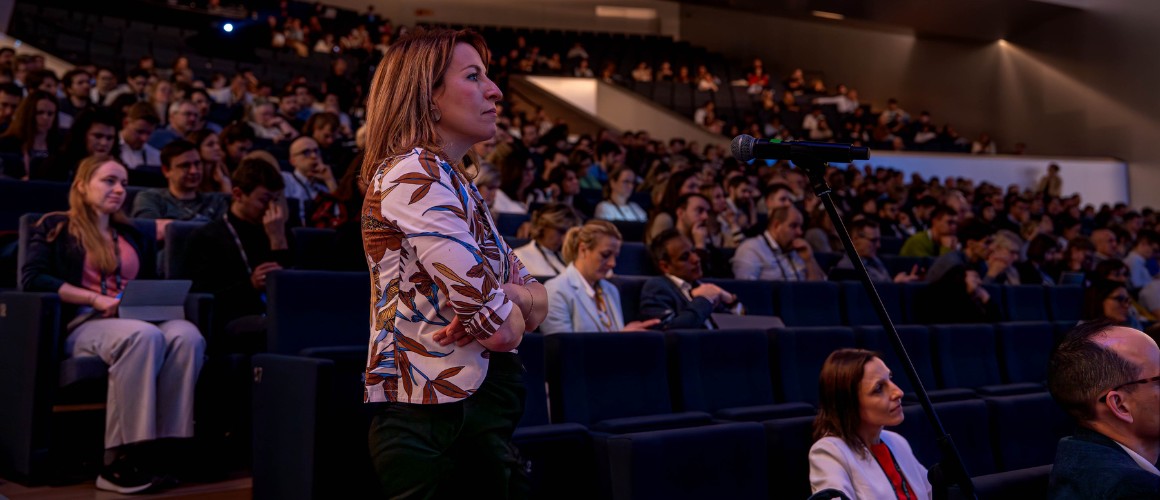
This session focused on expanding CAR-T beyond oncology—particularly into systemic autoimmunity—while emphasizing toxicity risk profiling and emerging concepts such as allo-CAR and in vivo CAR generation.
Main themes
- Risk stratification for CAR-T complications (CRS, ICANS, cardiopulmonary events, infections, prolonged cytopenias) and integrating baseline predictors into clinical pathways.
- Growing experience of CAR-T in autoimmune diseases, showing immune reset and sustained remissions.
- Role of clonal hematopoiesis/inflammation in severe toxicities and delayed recovery.
- New platforms to broaden access: allo-CAR “off-the-shelf” and in vivo CAR approaches (nanoparticle/viral delivery enabling transient CAR expression).
Selected highlights
- Fabio Ciceri (Italy): comprehensive framework for predicting severe toxicities; highlighted associations of high tumor burden/inflammatory markers/early CRS with downstream complications, and emphasized surveillance (e.g., baseline echo and troponin monitoring) plus the link between aggressive CRS management and mitigation of cardiac events. Introduced m-EASIX as a predictive tool for severe toxicities and outcome.
- Dimitrios Mougiakakos (Germany): update on CAR-T in autoimmune diseases and why CAR-T may succeed where anti-CD20 mAbs fail (tissue-resident B cells; CD19 vs CD20 biology). Reported broad experience with generally favorable safety and striking treatment-free remissions, while noting refractory cases likely influenced by irreversible tissue damage.
- Felicitas Thol (Germany): single-patient acquired hemophilia A case treated with academic CART19 under hospital exemption—well tolerated, transient response, followed by teclistamab with sustained remission, illustrating feasibility and therapeutic sequencing.
Discussion points
- Identification of reliable baseline predictors for severe toxicities (e.g., inflammatory markers, tumor burden, clonal hematopoiesis) and how to integrate them into clinical decision-making and monitoring algorithms.
- Defining optimal patient selection and timing for CAR-T in autoimmune diseases, particularly in relation to irreversible organ damage and long-term immune reconstitution.
- Clinical implementation challenges of emerging platforms (allo-CAR and in vivo CAR delivery), including regulatory pathways, safety monitoring, and integration into existing treatment frameworks.
Practical takeaways
- Implement structured baseline risk profiling (inflammation markers, tumor burden, cardiac history, clonal hematopoiesis) to guide triage, monitoring intensity, and anticipatory management.
- In autoimmunity, set expectations around clinical benefit: inflammation may improve even when organ damage is irreversible; vigilance for infections/viral reactivations and rare severe events remains essential.
- Emerging approaches such as allo-CAR and in vivo CAR delivery were highlighted as strategies to simplify manufacturing and expand accessibility beyond conventional autologous production.
Keynote Lecture (Michel Sadelain) & CAR T models and mechanisms
Friday, 13 February 2026 | 14:45-16:15
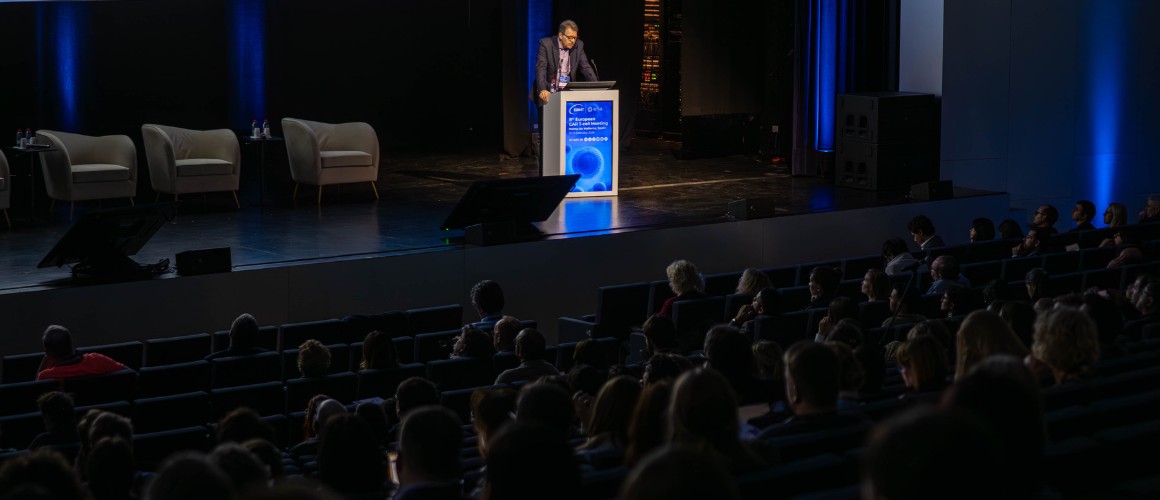
This session bridged foundational CAR T-cell biology with advanced engineering strategies, highlighting how mechanistic insight drives next-generation design.
Main themes
- Calibration of CAR signaling strength
- Multi-omics and spatial resistance mapping
- Optimization of CAR T cells
- Disease-specific dysfunction, including solid tumors microenvironment
In his keynote lecture, Michel Sadelain revisited the conceptual architecture of synthetic receptors, reminding the audience that CARs are modular systems requiring precise signal calibration. Rather than simply maximizing activation, he argued for controlled signaling to prevent exhaustion while preserving efficacy. He presented new CAR T constructs beyond 28z and BBz co-stimulatory domains, showing how mRNA translation in CAR T cells could be identified as a new path to calibrate T cell therapy.
Zsolt Sebestyen showed how single-cell multi-omics and 3D imaging approaches are redefining our understanding of resistance within tumor niches. These technologies revealed spatially organized immune dysfunction, suggesting that resistance is not uniform but compartmentalized.
Evan Weber presented genetic strategies to enhance CAR T persistence, including modulation of transcriptional and cytokine pathways. His data reinforced the concept that durable responses depend as much on T-cell programming as on target recognition.
Cécile Alanio provided an in-depth look at CAR T-cell function in glioblastoma, where the central nervous system environment imposes unique constraints on T-cell activity and survival.
Discussion points
- The optimal intensity of CAR signaling
- Intrinsic versus extrinsic drivers of T-cell dysfunction
- Translating complex multi-omics data into clinical biomarkers
Practical takeaways
Advances in CAR T-cell therapy increasingly rely on precise engineering of signaling pathways, the integration of multi-omics approaches to guide rational development, and a careful consideration of tissue-specific biology to inform both construct design and clinical trial strategy.
Keynote Lecture (Marcela Maus) – The Future of Cellular Therapy
Friday, 13 February 2026 | 17:45-18:15
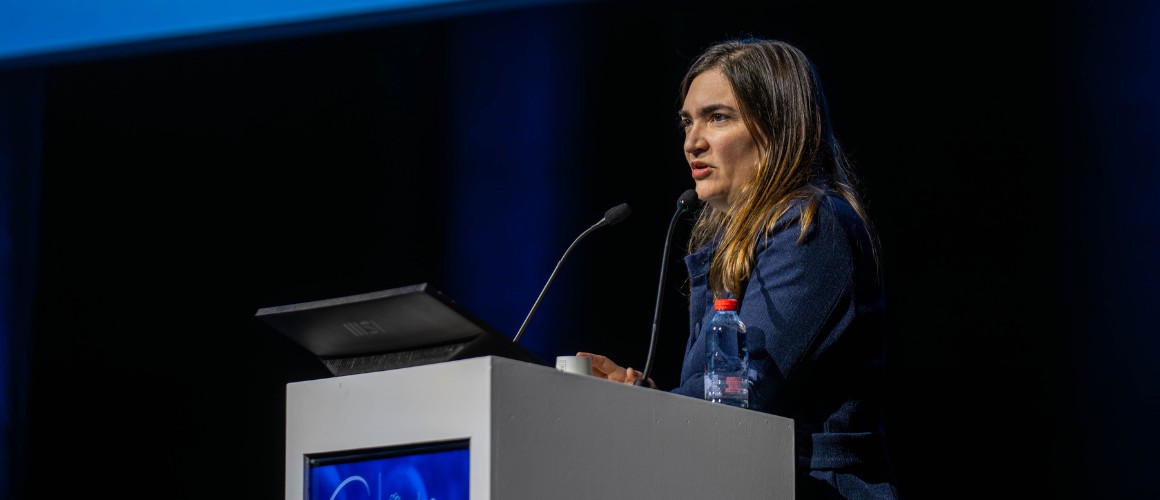
Marcela Maus’ keynote offered a forward-looking perspective on the next generation of cellular therapies beyond first-generation CAR T constructs. She began by highlighting the power of single-cell profiling to dissect the cellular and molecular features that drive both efficacy and toxicity in CAR T-cell therapy. By comparing samples from multiple clinical trials in patients with multiple myeloma treated with different products, her team confirmed that limited CAR T-cell expansion was frequently associated with early relapse.
She then introduced an in vitro functional screening platform, termed MARIO-CART, designed to identify genes that regulate CAR T-cell persistence. This approach enables systematic evaluation of genetic factors that may enhance durability and therapeutic performance. Finally, she presented clinical data on the TriPRIL CAR T-cell therapy, engineered to co-target BCMA and TACI through a trimeric form of the natural ligand APRIL, fused to 4-1BB and CD3ζ intracellular signaling domains. In patients with multiple myeloma, this strategy allowed for the identification and analysis of mechanisms of resistance, providing important insights to guide the design of more durable and effective CAR T-cell therapies.
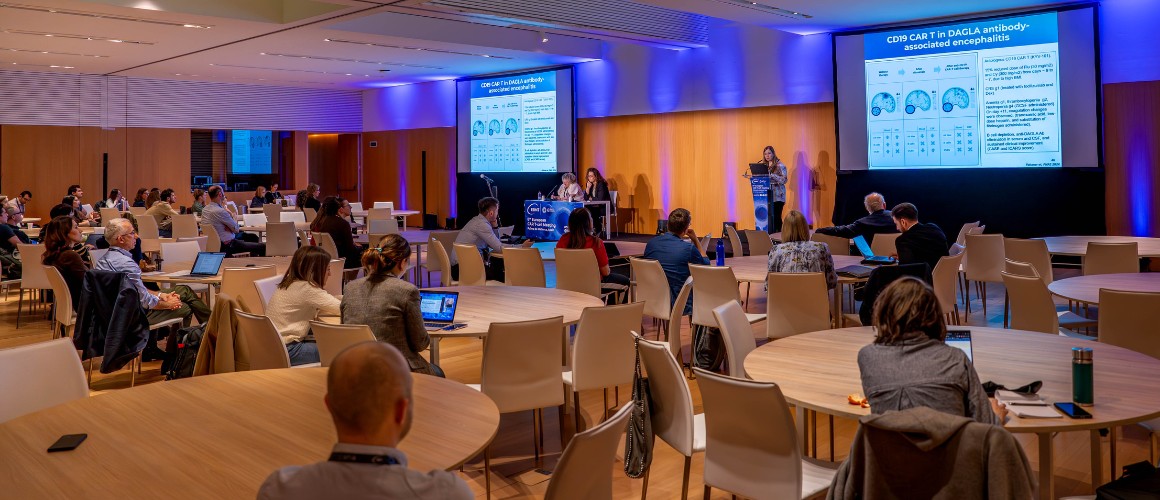
Nurses Sessions
Friday, 13 February 2026
Opening and Keynote Lecture on CAR T beyond haematological disorders (Raffaella Greco)
This keynote explored the expanding role of CAR T-cell therapy beyond malignant haematology, with a focus on severe, refractory autoimmune diseases (AD). Building on the most recent updates from the EBMT registry, Raffaella Greco highlighted emerging indications such as multiple sclerosis, systemic sclerosis, and lupus manifestations. The rationale is that CD19-targeting CAR T cells can achieve a profound “reset” of B-cell immunity through deep B-cell depletion and co-targeting of plasmablasts, which may translate into rapid clinical responses and, in selected cases, drug-free remission.
Across indications, a consistent message was the importance of pre-treatment screening and eligibility assessment, careful monitoring, and especially mandatory MDT discussion for patient selection. Overall, CAR T administration in AD was presented as feasible and safe, potentially associated with lower toxicity profiles than typically seen in oncology settings. However, access remains challenging due to high costs and the need for specialized local facilities. The keynote concluded that larger cohorts, longer follow-up, and strengthened registry data are essential to define long-term efficacy and safety and to guide when CAR T should be preferred over, or integrated with, transplantation-based strategies.
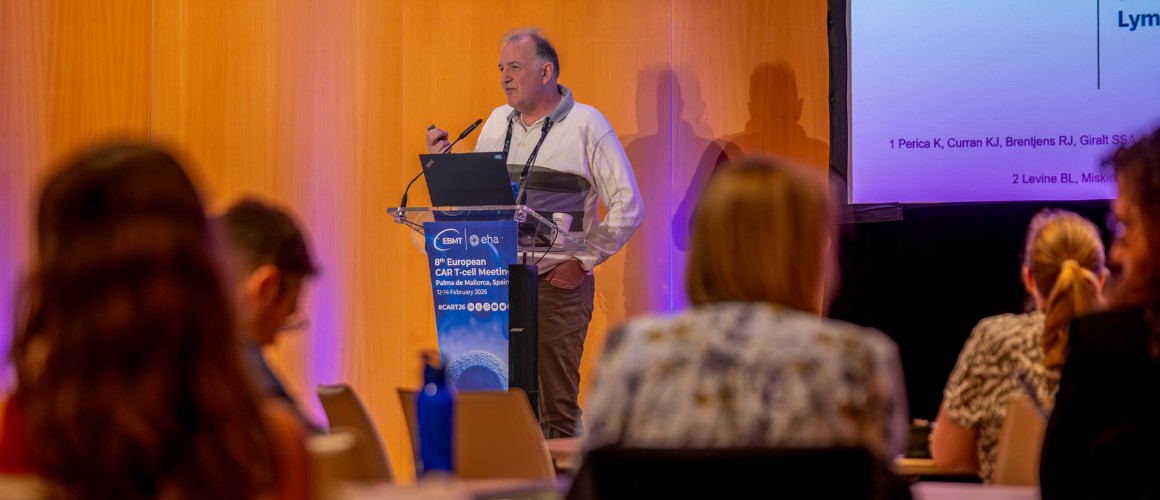
Exploring CAR T Cell Therapy
This session provided a practical, pathway-based view of CAR T delivery—from disease control before infusion to models of care and disease-specific perspectives.
- Bridging therapy and its implications (Erik Aerts, Zurich, Switzerland)
Bridging therapy was defined as a temporary strategy to control disease during the CAR T manufacturing period (often 2–4 weeks). Options may include chemoimmunotherapy, targeted agents, or radiotherapy, chosen to “hold the line” without causing complications (infection, bleeding, organ dysfunction) that could delay lymphodepletion or infusion. A key operational point was that bridging should generally occur after leukapheresis to avoid compromising T-cell collection quality. The nursing role was emphasised as central in monitoring, safety, education, and emotional support during this high-stress interval.
- Symptom management (Ruth Clout, Manchester, UK)
After a brief reminder of the concept of symptom management, Ruth reviewed the main toxicities—CRS and ICANS—alongside infection risks, tumour lysis syndrome, and other organ toxicities. She also went over the high-risk periods for the different symptom categories.
This was illustrated through a clinical case, which also allowed Ruth to highlight other “everyday” supportive-care priorities: proactive pain control, nutrition and hydration support, early mobilisation to prevent deconditioning, and sleep/delirium prevention. Anxiety was presented as a frequent issue before and during CAR T therapy, requiring anticipatory education and ongoing reassurance.
Overall, this shows that symptom management in CAR T therapy can be complex and extends beyond the well-known and expected toxicities. Close collaboration within the multidisciplinary team plays a key role in preventing and managing these symptoms.
- Models of care for CAR T programmes (Emily John, London, UK)
Emily reminded us how crucial collaboration is when delivering this type of treatment within a complex care pathway. CAR T therapy was presented as both complex and resource-intensive, involving multiple settings (referring centres, CAR T hubs, and inpatient/outpatient services). Three care models were compared—an inpatient-led model, a hybrid/ambulatory model, and a hub-and-spoke model—with the key message that safe delivery relies on strong multidisciplinary and inter-organisational collaboration.
An ambulatory experience from Cardiff illustrated how these principles can be applied in practice. Nurses and allied health professionals were described as essential coordinators throughout the pathway, supporting patient selection, education, monitoring, and rapid escalation when needed. Finally, Emily emphasised that the patient must remain at the centre of these decisions and of the broader reflection on the model of care.
- The role of CAR T in myeloma (Monique C. Minnema, Utrecht, Netherlands):
CAR T was framed as a major option in relapsed/refractory multiple myeloma, alongside bi-/tri-specific antibodies. Prof. Minnema discussed approved anti-BCMA CAR T products and key CARTITUDE studies, while also addressing low uptake in Europe linked to reimbursement, cost, logistics, and limited centre capacity. The session closed with a forward-looking view: CAR T offers a one-time treatment with long treatment-free intervals and may move earlier in the pathway, but its exact place will keep evolving as other immune therapies expand.
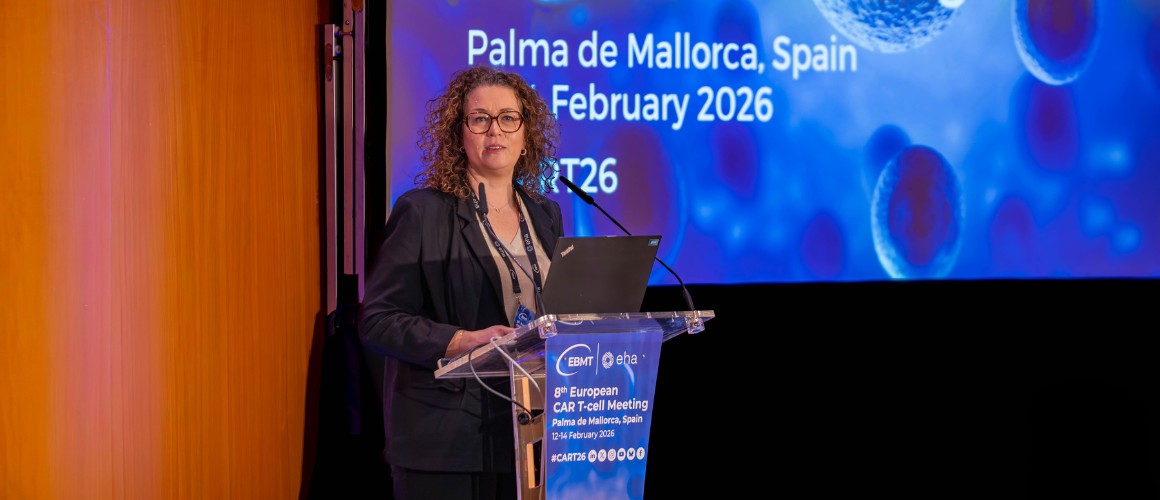
Navigating social and care challenges in CAR T Therapy
This session placed a particular emphasis on adolescent and young adult (AYA) patients, psychosocial dimensions of care, advance care planning, and the evolving role of advanced practice nursing within CAR-T pathways. The sessions highlighted both clinical innovation and the importance of holistic, patient-centred approaches in this rapidly developing treatment field.
- CAR-T Therapy in Adolescents and Young Adults (Matteo Amicucci)
Matteo Amicucci addressed the unique challenges associated with CAR-T therapy in Adolescents and Young Adults (AYA), defined as individuals aged 15–39 years. This population represents a biologically and psychosocially complex group, often treated according to paediatric protocols due to disease characteristics.
Emerging evidence suggests that AYA patients may demonstrate favourable responses to CAR-T therapy. However, treatment considerations extend beyond biological response. The AYA group faces distinct psychosocial challenges, including dependence on family support systems and significant concerns regarding future health, fertility, employment, and life trajectory.
Matteo shared early findings from his qualitative research study using interviews and focus groups to explore experiences of CAR-T and gene therapy in 13 patients and 8 parents. Key statements included:
- Hospital stays were shorter than anticipated.
- Experience of hospitalisation was better than expected.
- A gradual return to normality was possible.
- Emotional and physical support were critical to recovery.
- Re-establishing routine was central to adjustment post-treatment.
The presentation emphasised the need for structured psychosocial support and tailored survivorship planning for AYA patients.
- Social Media and CAR-T Therapy: Opportunities and Challenges (Thomas Jezequel)
Thomas Jezequel explored the role of social media in the context of CAR-T therapy. As CAR-T is a novel and high-profile treatment, it generates significant online discussion, creating both opportunities and risks. Patients increasingly use social media platforms and online support groups to:
- Connect with peers undergoing similar treatments.
- Share personal experiences.
- Exchange coping strategies and symptom management advice.
- Reduce feelings of isolation, particularly within AYA communities.
- Access mentorship and informal informational support.
Many groups are professional or peer-led or supported by patient organizations, reducing access barriers and fostering community engagement. However, challenges were also highlighted:
- Risk of misinformation.
- Potential delays in seeking professional medical advice.
- Unverified information regarding treatment interactions and side effects.
- Anecdotal experiences influencing clinical decision-making.
The presentation underscored the importance of proactive nurse engagement. Nurses should routinely ask patients about online information they have accessed, encourage open dialogue, and support patients in developing critical appraisal skills to assess the reliability and robustness of online sources.
- Advance Care Planning and CAR-T Therapy (Joica Benschop)
Joica Benschop discussed the integration of Advance Care Planning (ACP) within CAR-T therapy pathways. ACP was described as a structured process enabling patients to discuss and document preferences for future care should they lose decision-making capacity. The presentation highlighted that context is crucial when initiating ACP conversations. HCP barriers include:
- Concerns about undermining trust.
- Fear of damaging the therapeutic relationship.
- Uncertainty regarding timing.
- Lack of structured tools and clinician confidence.
Innovative strategies to improve ACP implementation in the presented study included:
- Virtual Reality (VR) training to enhance communication skills.
- Development of structured ACP documentation tools.
- An implementation study embedding ACP into CAR-T care pathways.
A “two-track” conversation model was introduced, to implement the ACP documentation tool, promoting parallel planning—preparing for the worst while hoping for the best. Implementation challenges were addressed through:
- Clinical champions.
- Clear protocols.
- Education and structured reminders.
Outcomes of implementation included increased ACP documentation tool utilisation, improved clinician knowledge, enhanced professional confidence, greater collaboration, and overall improvements in practice quality.
- Advanced Practice Roles in CAR-T Therapy (Daniel Kieselewski)
Daniel Kieselewski examined the opportunities and challenges associated with Advanced Practice Nurse (APN) roles in CAR-T therapy. A key issue in CAR-T care was identified as the lack of early, structured information provided to patients within the CAR-T pathway. To address this gap, increased APN involvement was proposed. Using the Expanded Chronic Care Model as a framework, the presentation illustrated how APN core competencies can strengthen CAR-T care delivery through:
- Early and structured patient education.
- Continuity across treatment phases.
- Coordination of multidisciplinary care.
- Integration of Advance Care Planning.
- Ongoing psychosocial support.
The presentation concluded that formalizing and expanding APN roles within CAR-T services has the potential to improve patient experience, enhance pathway efficiency, and strengthen holistic care provision.
In conclusion, this session reinforced that CAR-T therapy requires more than clinical innovation. Optimal care depends on recognizing AYA-specific needs, navigating social media influence, embedding early ACP, and strengthening advanced nursing roles. The integration of structured communication, psychosocial awareness, and multidisciplinary collaboration is essential to delivering high-quality CAR-T care.
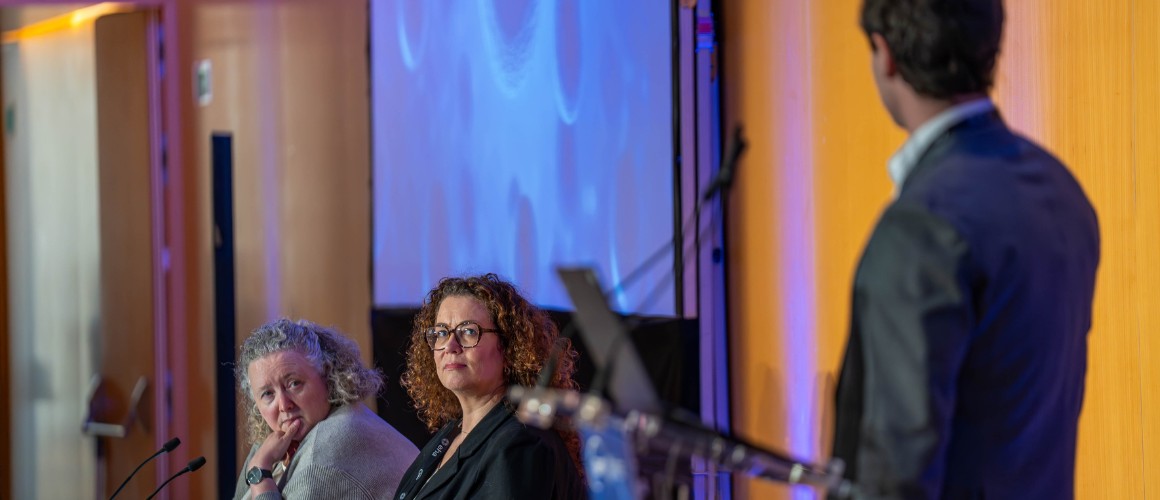
Best Abstracts
This Best Abstracts session brought together five high‑quality studies addressing essential clinical, psychosocial, and supportive‑care challenges in CAR‑T cell therapy. The presentations collectively highlighted how research continues to shape patient‑centered care, improve safety, and inform practice in rapidly evolving cellular therapy pathways.
- Fertility Management and Outcomes After Cellular Therapies (Giorgio Orofino)
This first presentation addressed fertility preservation and reproductive outcomes in patients receiving cellular therapies. The study, conducted on behalf of the EBMT Cellular Therapy and Immunobiology Working Party, examined current practices, counselling patterns, and long‑term reproductive health. By surveying multiple centers, the research highlighted inconsistencies in fertility counselling, significant gaps in pre‑treatment fertility planning, and the need for more structured survivorship follow‑up. For healthcare professionals, these findings underscore the importance of early, standardized discussions and collaboration with reproductive specialists to support informed decision‑making for adolescent and young adult (AYA) and adult patients.
- Patient‑Reported Outcomes: Cognitive Impairment Post CAR‑T (Natacha Bolaños)
This presentation explored challenges related to cognitive impairment after CAR‑T therapy, as reported directly by patients. Cognitive changes, such as attention problems, memory difficulties, and slowed processing, have a strong impact on daily functioning, work ability, and quality of life. Patient‑reported outcomes (PROs) were shown to be essential in identifying subtle but meaningful cognitive symptoms that clinical scales may overlook. The study highlights the need for systematic post‑treatment neurocognitive screening and the involvement of multidisciplinary rehabilitation services. Healthcare professionals play a crucial role in recognizing patient‑voiced concerns and coordinating supportive care.
- Severe ICANS Onset Timing and ICE Assessment Frequency (Jemma Stewart & Ella Weisser)
A retrospective clinical study analyzed time intervals from the first neurological symptoms to severe ICANS (immune effector cell‑associated neurotoxicity syndrome). The results aimed to inform optimal ICE (Immune Effector Cell Encephalopathy) assessment frequency, a central responsibility for bedside nurses. The study found that deterioration can occur rapidly, reinforcing the need for vigilant neurological monitoring, particularly in the first critical days post‑infusion. The work supports evidence‑based updates to assessment protocols to improve early detection, escalation, and patient safety.
- Dermatological Complications in CAR‑T Therapy (Matteo Cosci)
Dermatological complications, such as rashes, pruritus, and inflammatory eruptions, are emerging as increasingly recognized side effects in CAR‑T recipients. This presentation highlighted the need for improved skin assessment, early diagnosis, and collaborative management between HCT nurses, dermatologists, and oncologists. Skin toxicity was presented as not merely cosmetic but potentially indicative of broader immune dysregulation. Nurses were encouraged to incorporate structured skin evaluation into routine care and educate patients on when to report symptoms.
- Physical Performance, Sarcopenia, and CAR‑T Outcomes (Alessandra Holzem)
The final presentation reported on a real‑world pilot study showing that low physical performance combined with sarcopenia is associated with poorer outcomes following CAR‑T cell therapy. These baseline vulnerabilities correlated with higher toxicity, delayed recovery, and reduced survival. The findings strengthen the case for incorporating physical performance assessment and prehabilitation strategies, such as exercise programs and nutritional intervention, into the CAR‑T pathway.
In conclusion, the session showcased impactful (nurse‑led) research that expands understanding of fertility issues, cognitive after‑effects, neurological monitoring, dermatological toxicity, and physical vulnerability in CAR‑T patients. Together, the studies emphasize the growing sophistication of CAR‑T practice, the importance of multidisciplinary collaboration, and the need for holistic, patient‑centered care in this rapidly advancing field.

Survivorship & Outcomes in CAR-T
- Case presentation (Mairéad NíChonghaile)
Mairéad set the scene by presenting a case of a patient with relapsed DLBCL during the COVID-19 pandemic. The patient had previously undergone autologous HSCT and later proceeded through the CAR-T pathway following relapse.
- Nurses experiences (Sara Ubovic)
The presentation by Sara Ubovic outlines the nursing perspective on survivorship in CAR T‑cell therapy. Sara described diagnosis as the start of a deeply transformative and often frightening journey. Early education, emotional support, and clear communication help reduce fear and build trust. Pre‑admission ward visits further ease anxiety by familiarising patients with the clinical setting. During admission, patients must navigate isolation precautions and intensive monitoring, making nursing support essential. Strong interdisciplinary collaboration, weekly team meetings, and proactive discharge planning underpin safe care. Sara emphasised the value of a primary nursing model, which strengthens continuity and therapeutic relationships. Psychological assessment begins at admission through tools such as the distress thermometer, and discharge preparation focuses on medication understanding, infection prevention, and reintegration into daily life. Nurses face significant emotional strain due to long‑term relationships and patient uncertainty, and a psycho‑oncology case discussion illustrated the benefit of structured communication and integrated psychological support.
- QoL in patients after CAR-T (Mercedes Montoro-Lorite)
Mercedes Montoro‑Lorite addressed quality of life in CAR‑T patients, framing QoL as a multidimensional concept encompassing physical, emotional and social well‑being. She highlighted the importance of validated assessment tools and longitudinal follow‑up. Evidence from trials shows QoL improvements over time despite early toxicity, while real‑world data reveal a dynamic pattern characterised by an acute crisis phase, gradual recovery, and ongoing sequelae. Recovery is rarely linear. Advanced Practice Nurses are key in monitoring changes, identifying concerns early, and coordinating supportive care. QoL is measured using tools capturing physical, emotional, cognitive, and social wellbeing. Clinical trials show consistent improvements from three months onward across CAR‑T products, with 60–70% of patients reporting better global health and reduced symptoms. Real‑world evidence confirms an initial QoL decline around day 15, followed by recovery and stabilization by 3–6 months, though 20% experience persistent fatigue or cognitive issues. Caregivers also face anxiety and emotional burden. Advanced Practice Nurses play a key role in monitoring, early intervention, long‑term support, and translating survival into holistic recovery.
- Survivorship, the road to recovery (Michelle Kenyon)
Michelle Kenyon focused on survivorship through the case of a young adult patient who, although in remission at Day +180, remained profoundly fatigued and struggled with identity loss. Survivorship after CAR‑T therapy is a complex, nonlinear process that extends far beyond medical treatment. She discussed that remission does not equate to recovery. Physical rehabilitation, psychological support, and social reintegration all require sustained attention. Many patients feel abruptly unsupported once intensive clinical contact ends, prompting existential questions about identity and purpose. Nurses play a crucial role in guiding patients through this vulnerable period by providing consistent assessment, advocacy and emotional support, and by coordinating multidisciplinary input. Michelle called for more equitable and structured survivorship pathways across systems. Innovations such as nurse‑led follow‑up, digital symptom monitoring, structured discharge education, and clear escalation pathways support safer transitions from hospital to home. Survivorship requires continuous support, education, and coordinated care
- Discussion
The session concluded with interactive questions posed to the audience, followed by reflections from the speakers. They highlighted fatigue and anxiety as two of the most significant quality‑of‑life challenges experienced by CAR‑T survivors. The discussion also addressed the importance of involving patients as active members of the interdisciplinary team, as well as the structured engagement of caregivers in treatment decision‑making.
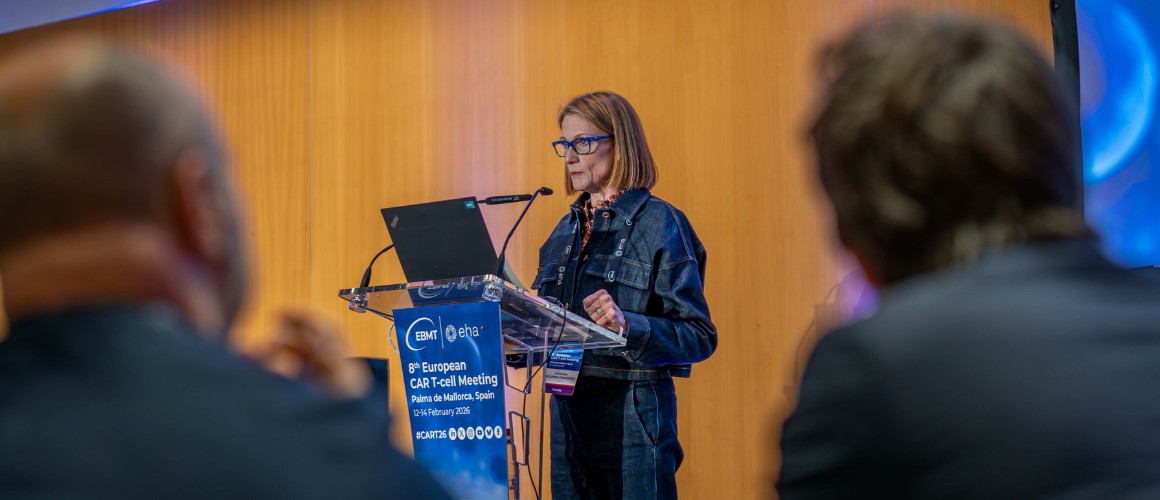
Keynote Lecture on Patient & Stakeholder Engagement- a true collaborative approach to care (Natacha Bolaños)
The keynote highlighted critical factors influencing CAR‑T therapy success, including patient health status, disease biology, treatment costs, manufacturing delays, and hospital pathway challenges. A major theme was the persistent gap in symptom management, with fatigue, cognitive issues, and intimacy concerns remaining under‑recognized and poorly supported. Nurses were positioned as essential pillars across the CAR‑T continuum, serving as trusted educators who interpret side‑effects, validate concerns, reinforce monitoring, and bridge communication gaps. Proactive nursing actions, such as activating referral pathways, documenting patient‑reported outcomes, early intervention, and continuous monitoring, were emphasized. The lecture underscored the need for true collaboration between patients, care partners, nurses, MDTs, and advocacy groups. Finally, it called for strengthening hematology nursing, addressing workforce shortages, and advancing policy frameworks to ensure sustainable, high‑quality care.
Best Abstracts Session 2
Saturday, 14 February 2026 | 08:30-09:40
1. CD19/CD84 IF-BETTER Dual CAR T Cells Overcome Antigen-low Relapse and Outperform CART19 in CD19-low B-ALL Models (Ane Altuna, Spain)
- Question: Can CD19/CD84 IF-BETTER CAR-T overcome CD19-low relapse while preserving specificity?
- Key finding: DUAL 4 maintained strict CD19 dependence, enhanced persistence, and significantly outperformed CART19 in CD19-low models without hematopoietic toxicity.
- Implication: Logic-gated dual targeting offers a strategy to prevent antigen-density–driven relapse in B-ALL.
2. Endothelial Dysfunction and Astrocyte Reactivity Drive ICANS in CAR-T Cell Therapy (Rita El Khoury, Italy)
- Question: What drives ICANS at the neurovascular level?
- Key finding: CAR-T–associated inflammation induced endothelial destabilization and astrocyte reactivity, with patient sera directly disrupting BBB integrity in vitro.
- Implication: Endothelial dysfunction emerges as an early, targetable driver of CAR-T neurotoxicity.
3. CCL8⁺CCL13⁺ Tumor-associated Macrophages Drive Early Resistance to CAR T-cell Therapy in Large B-cell Lymphoma (Anne Marijn Kramer, United States)
- Question: What microenvironmental mechanisms drive early CAR-T resistance in LBCL?
- Key finding: Single-cell profiling during early expansion identified CCL8⁺CCL13⁺ TAMs and an IRF4/IRF8-driven CAR-T dysfunction program associated with treatment failure.
- Implication: Targeting myeloid resistance niches may improve CAR-T durability.
4. Cellular Kinetics, Efficacy, and Safety of Zamtocabtagene Autoleucel, a Tandem CD20-CD19 Directed CAR-T Cell Therapy, vs R-GemOx in Patients with Relapsed/Refractory LBCL (DALY 2-EU Study) (Gloria Iacoboni, Spain)
- Question: Is tandem CD20-CD19 CAR-T superior to R-GemOx in second-line transplant-ineligible LBCL?
- Key finding: Zamto-cel significantly improved event-free survival with low grade ≥3 CRS/ICANS, and CAR expansion correlated with response.
- Implication: Dual-target CAR-T may redefine second-line therapy in transplant-ineligible LBCL.
5. An Open CAR-T Single-cell Atlas to Enable In-depth Characterization and Rational Engineering of CAR-T Products (Juan Roberto Rodriguez-Madoz, Spain)
- Question: Can large-scale single-cell integration uncover determinants of CAR-T efficacy and toxicity?
- Key finding: An atlas of >400,000 CAR-T cells identified transcriptional programs linked to response, resistance pathways (IL-10, Wnt, TGF-β), and ICANS-associated inflammatory populations.
- Implication: AI-enabled atlas resources can guide predictive modeling and rational CAR engineering.
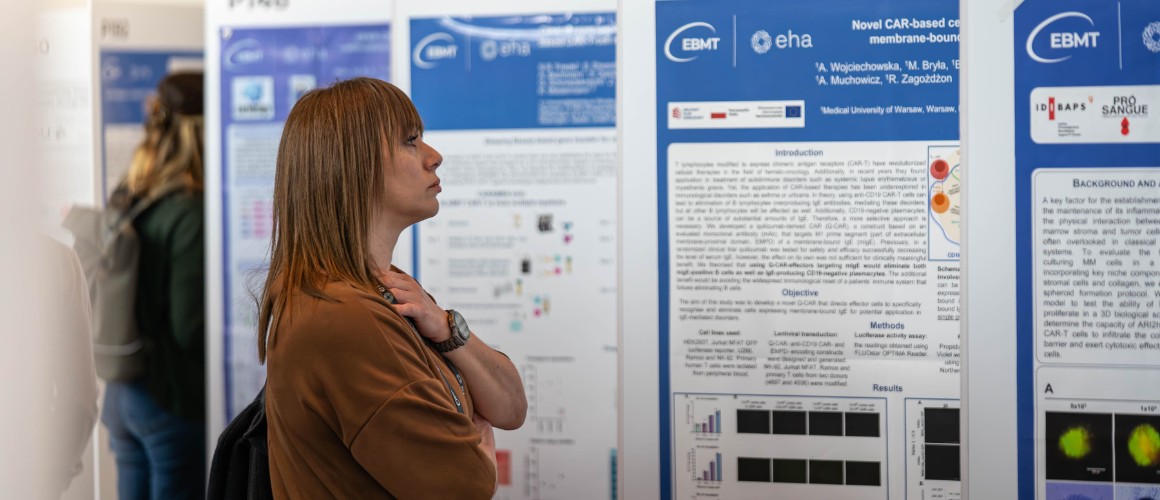
Best Abstracts Session 3
Saturday, 14 February 2026 | 10:20-11:00
Pere Barba from Hospital Universitari Vall d'Hebron, Barcelona, Spain provided interim results for a Phase 2 study using rapcabtagene autoleucel for patients with first line high-risk Large B-cell Lymphoma. Rapcabtagene autoleucel was generated using a 2 day manufacture process to preserve T-cell stemness and enhanced in vivo expansion. Using a single dose of 12.5x10^6 CAR T-cells showed promising initial efficacy and manageable safety profile.
Tom Pieper from Hannover Medical School, Hannover, Germany described the development of immunotherapy for a preclinical model of Type 1 diabetes whereby T reg cells were redirected to the pancreas to suppress autoreactive T-cells. ENTPD3 was identified as pancreatic specific antigen to a scFv binder was isolated and formatted into a CAR and when expressed in T regs in a mouse mode of diabetes, this candidate prevented diabetes in all mice treated. ENTPD3-specific CAR Tregs are a promising, MHC-independent strategy for localised immune regulation in pancreatic islets, offering potential for early and late intervention in type 1 diabetes patients.
Michael Rade from Fraunhofer Institute for Cell Therapy and Immunology IZI, Leipzig, Germany, examined a real world cohort of 61 RR multiple myeloma patients treated with idecabtagene vicleucel and ciltacabtagene autoleucel. Cilta-cel demonstrated superior CR rates and longer PFS. A multi-omics single-cell atlas from blood samples from 57 patients showed a strong association between CD4+ cytotoxic T-cells and treatment with Cilta-cel, CR and CRS occurrence with slower B-cell recovery.
Jenny Yeung, UCL Great Ormond Street Institute of Child Health, London, UK described pre-clinical work where universal CD45-directed CAR T-cells which were gene-edited to knockout CD45 and TRAC expression (double knockout/DKO) from allogeneic donors to overcame fratricide, GVHD and poor T-cell fitness. CD45 was shown to be well expressed on AML blasts and leukaemic stem cells. DKO CD45CAR T-cells were functional and showed high levels of specific activity in vitro and in xenogeneic models of AML. These data supported the generation of a bank of “off-the-shelf” CAR T-cells to be used for multiple patients, reducing complexity and cost of CAR T-cell therapy and would be used as bridge to transplant in patients with r/r AML.
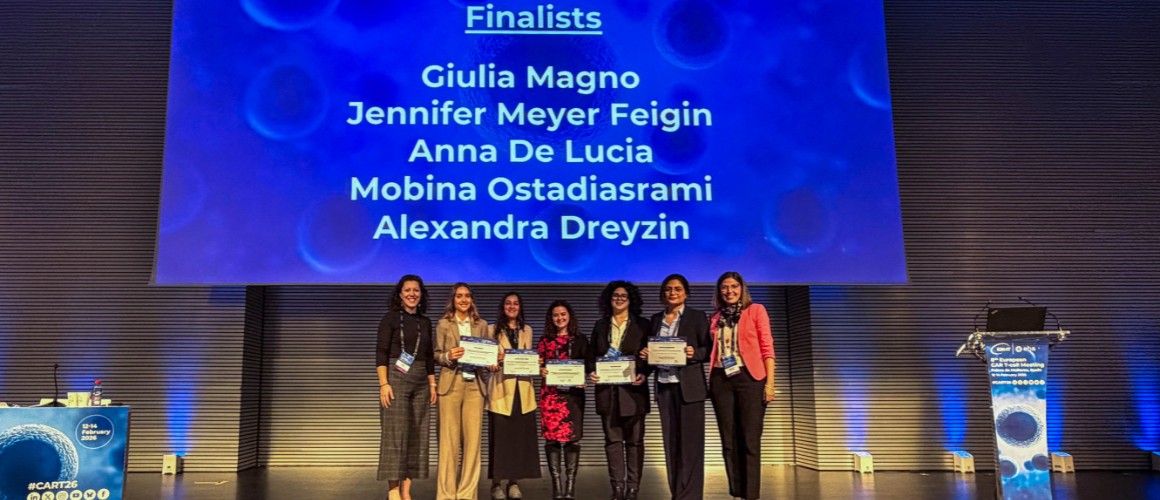
Closing Ceremony, Best Abstracts and Awards
Saturday, 14 February 2026 | 12:55-14:00
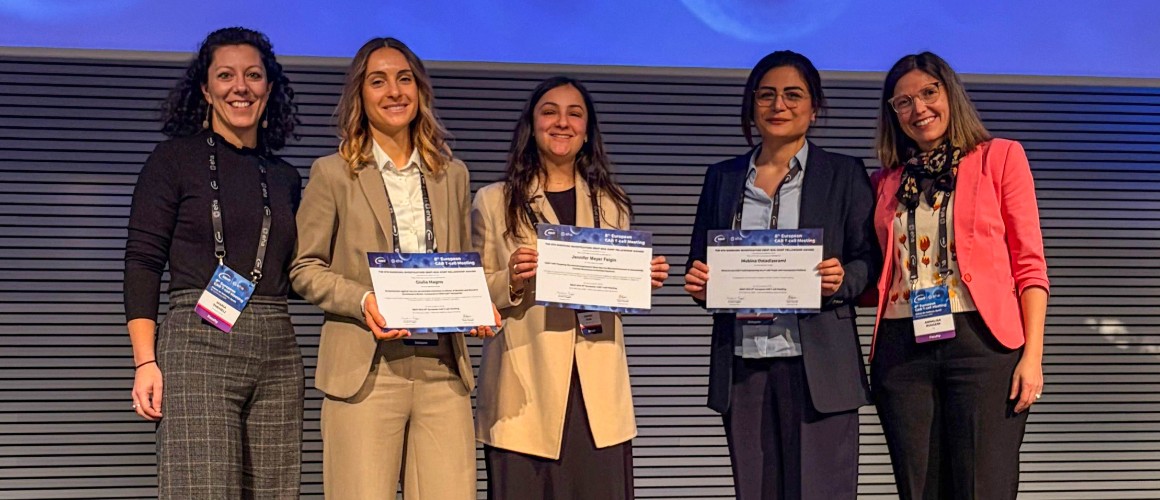
The finalists of the 6th Emerging Investigators EBMT-EHA Joint fellowship awards in the field of Cell Therapy and Immunotherapy were announced: Guilia Magno, Jennifer Meyer Feigin, Anna De Lucia, Mobina Ostadiastami and Alexandra Dreyzin. Each finalist was invited to give an oral presentation of their work.
Guilia Magno from University Hospital LMU Munich, Munich, Germany, presented a study to determine whether an optimal vaccination schedule pre- and post-BMCA- or CD19-directed CAR T therapy could be developed to reduce non-relapse mortality due to infection since there is no consensus on vaccination schedule. A retrospective, observational study including 124 patients treated with commercial BCMA- or CD19-directed CAR T-cells analysed antibody titres for mumps, measles, rubella, varicella zoster virus, hepatitis A, hepatitis B and SARS-CoV-2. BMCA-CAR T recipients had significantly diminished seroprotection rates compared to CD19-CAR T recipients, both at baseline and post-CAR T therapy. Further validation of these findings will contribute to the development of optimized vaccination strategies before and after CAR-T therapy.
Jennifer Meyer Feigin from the Mayo Clinic, Rochester, US described her work to target immunosuppressive cancer associated fibroblasts (CAFs) in the bone marrow of multiple myeloma patients which have been implicated in CAR T resistance. High levels of CAFs expressing fibroblast activation protein (FAP) were found in non-responders. Direct targeting of CAFs by FAP-targeting CAR was not clinically viable due to high toxicity levels, but co-expression of BCMA-directed CAR with secreted molecules, STriKEs, e.g. either bispecific anti-SIRPa and anti-FAP or a trispecific anti-CD16-IL-15-anti-FAP molecule, resulted in recruitment of local innate immune cells to phagocytose CAFs and thus increased efficacy of BMCA CAR T-cells and tumour elimination in preclinical xenogeneic and immunocompetent mouse models.
Anna De Lucia from Istituto Romagnolo per lo Studio dei Tumori "Dino Amadori" - IRST IRCCS, Meldola, Italy described the development of TRBC1-directed CAR T-cells (CAR-T-One) for T-cell malignancies. Expression of T-cell receptor β-chain constant regions TRBC1 and TRBC2 on T-cells is mutually exclusive and clonal malignant T-cells express only one of the two constant regions. CAR-T-One can selectively target malignant clones whilst preserving a functional T-cell compartment and overcome fratricide. CAR-T-One cells preserved T-cell fitness and immunophenotype and were potent and specific in vitro. Modelling accidental transduction of tumour cells with CAR did not result in immune masking or protection of the CAR-positive target cells. CAR-T-One cells cleared tumour and prolong survival in mouse models of disease, showing that TCRB1-directed CAR T therapy was safe and selective.
Mobina Ostadiasrami from University Hospital Würzburg, Würzburg, Germany, described the development of a next generation novel AAV vector with T-cell tropism to deliver the Sleeping Beauty (SB) transposon technology to enable stable CAR expression in vivo. Two AAV capsid variants with T-cell tropism were identified by an in vivo screen of an AAV peptide display library. A single transduction step using these capsids carrying SB transposase and SB transposon to deliver CAR transgene enabled stable CAR expression. AAV-generated CAR T-cells were functional and had strong antigen-specific responses. This AAV-SB platform has potential for generating CAR T-cells in vivo and can potentially make CAR T-cell therapy more affordable and accessible.
Alexabdra Dreyzin from National Institutes of Health, Center for Cellular Engineering, Bethesda, United State provided an update from a Phase I trial of CD19/CD22 bicistronic CAR T-cells in children, adolescents, and young adults with r/r B-cell ALL. 11 patients were infused, where initial experience with dose level 1 of 1x10^6/kg showed dose limiting toxicities associated with high-disease burden. At an amended dose of 3x10^5/kg and stratification by disease burden, remaining patients did not have additional dose limiting toxicities and had effective medullary and extramedullary B-ALL clearance. MRD-negative complete remission rate was 100%. Enhanced dual-antigen targeting may lead to severe ICANS and IEC-HS in patients with high disease burden but was mitigated by reducing CAR T-cell dose without compromising efficacy.
Closing remarks
Annalisa Ruggeri and Maira Themeli announced Guilia Magno, Jennifer Meyer Feigin and Mobina Ostadiastami as fellowship award winners. The chairpersons highlighted the success of the meeting which had 1207 total registrations (996 hybrid, 211 virtual) with 60+ participating countries where the top 5 contributing countries were Germany, Spain, UK, Italy and the Netherlands. A record number of abstracts submitted this year. The chairpersons also thanked the sponsors and people who organised the meeting behind the scenes. It was announced that the CART27 meeting will be held between 4-6th February 2027 in Lisbon, Portugal.
How to get your EBAH-CME credits
In order to receive CME credits, please note that you have to watch at least 50% of a session. If you have an EBAH-CME account, your CME credits will be uploaded automatically to your account after the virtual meeting platform closes on 23 March 2026, based on your on-demand viewing activity.
Watch the Expert Interviews