Summary report written by Giuliano Filippini Velazquez, Clinical Scientist at University Hospital Augsburg, Germany.
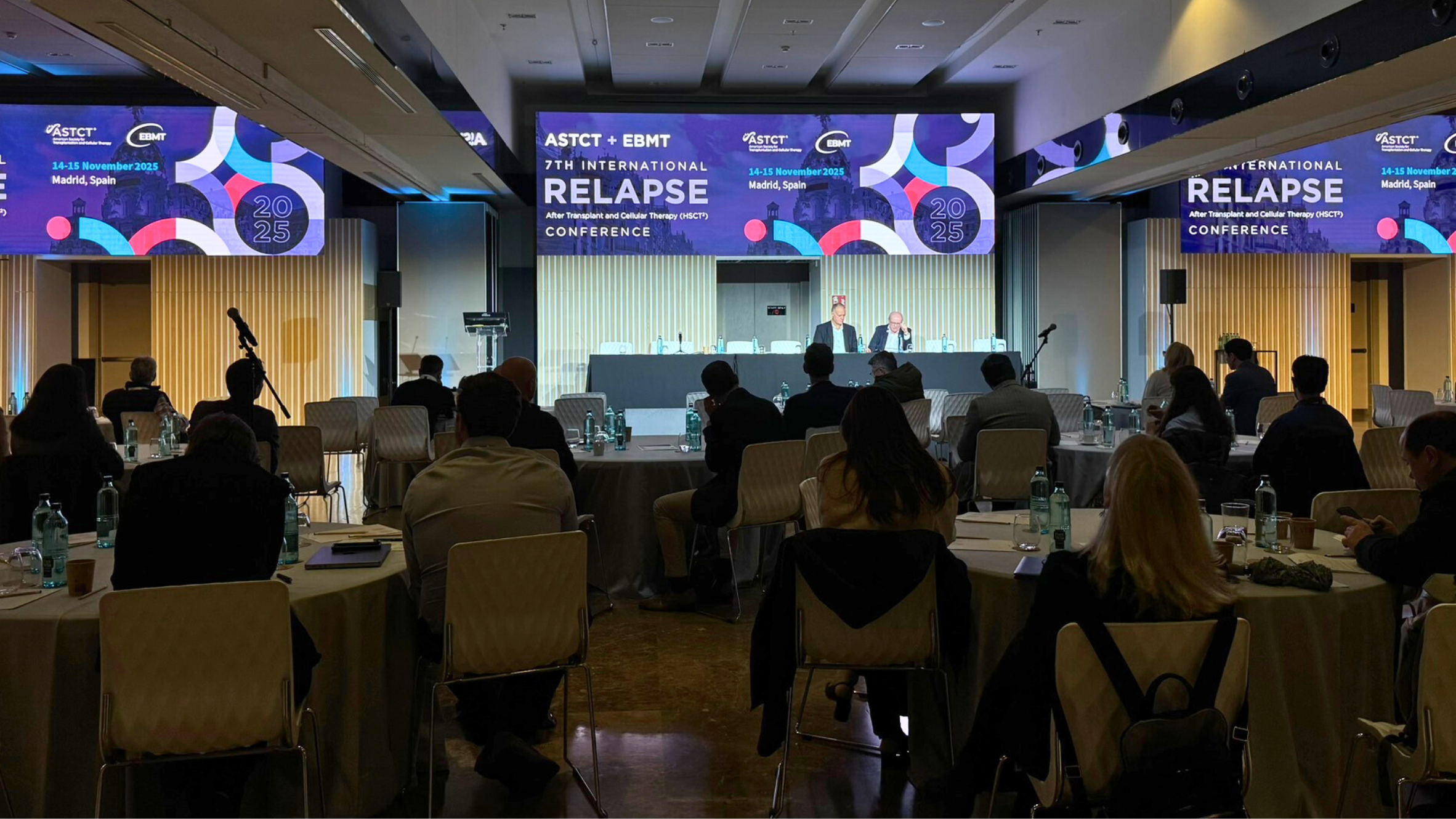
EBMT and ASTCT hosted the 7th International Conference on Relapse After Transplant and Cellular Therapy. This meeting took place on November 14 -15, 2023, in Madrid, Spain. Since the first meeting 12 years ago, substantial progress has been made in elucidating the mechanisms of relapse and in developing therapies aimed at its prevention and management.
The meeting focused on understanding and managing relapse post-HSCT and cellular therapy, including CAR T-cell therapy. The core objective of the conference was to review the latest developments in relapse prevention and treatment and to highlight advances in mechanistic understanding that are shaping evolving therapeutic strategies available to clinicians.
The program featured formal presentations, interactive panel discussions, and dedicated oral and poster sessions, providing investigators the opportunity to present their most recent translational and clinical research. Selected abstracts were highlighted in oral presentations, emphasizing cutting-edge findings across multiple therapeutic modalities.
The conference hosted 80 attendees from a range of countries, including Australia, Canada, France, Germany, Italy, The Netherlands, Philippines, Romania, Singapore, Spain, United Kingdom, and the United States. This international participation fostered rich scientific dialogue and collaboration among experts from around the globe.
Main themes
Mechanisms of relapse after allogeneic and autologous HSCT, as well as CAR T-cell therapy including the latest advances in molecular diagnostic technologies.
Immunological determinants of relapse, with emphasis on T- and NK-cell responses, their interaction with the microenvironment, mechanisms of antigen escape, and the emerging role of the microbiome.
Advances in molecular and cellular therapies aimed at preventing or treating relapse, including precision-targeted agents, engineered cellular products, and combinatorial approaches.
Novel strategies and technologies for MRD monitoring to enhance post-transplant surveillance and guide therapeutic decision-making.
Current and future clinical trials addressing relapse across the transplant continuum, such as maintenance strategies post-allo-HSCT using cellular or targeted interventions.
Diseases in focus: AML, MDS, Myelofibrosis, ALL, B cell and Hodgkin Lymphoma, Multiple Myeloma
Keynote Lectures
Catherine J. Wu (US) opened the meeting with the keynote lecture titled “Probing leukaemia–host co-evolution in relationship to response and resistance to allo-HSCT.” Her presentation provided a detailed exploration of the dynamic interactions between leukaemia cells and the host immune microenvironment, emphasizing how these relationships influence responsiveness or resistance to allogeneic HSCT. Using advanced single-cell analytical approaches, she delineated graft-versus-leukaemia (GvL) mechanisms and characterized cellular behaviours pre- and post–donor lymphocyte infusion (DLI). Dr. Wu demonstrated the expansion of specific lymphocyte subpopulations in AML patients who responded to DLI and highlighted corresponding alterations in the bone marrow niche.
A central component of her work focuses on identifying antigens that preferentially drive GvL while sparing graft-versus-host disease (GvHD), with the aim of decoupling these two immunologic processes. She presented emerging data on minor histocompatibility antigens (mHAgs) as predictors of GVHD-free, relapse-free survival (GRFS) and discussed their potential implications for donor selection, immunogenetic matching, and optimization of GvHD prophylaxis strategies.
Saar Gill (US) delivered the second keynote lecture, offering a forward-looking perspective on innovations in CAR cell engineering under the theme of “new and future directions in CAR cell manufacturing.” He placed particular emphasis on the development of in vivo CAR T-cell platforms, outlining the essential safety and efficacy requirements for successful in vivo transduction. He presented early clinical and preclinical data demonstrating the feasibility of in vivo CAR T and CAR NK generation, including promising initial experiences with in vivo BCMA-directed CAR T cells in humans.
In the second half of his talk, he described strategies to leverage virus-specific memory T cells as vehicles for targeted CAR delivery, highlighting the potential use of SARS-CoV-2–specific T cells to enhance CAR expression in high-quality T-cell subsets. He underscored the advantages of immunocompetent murine models for evaluating vaccination-based strategies to induce in vivo CAR generation. He concluded by contrasting current ex vivo manufacturing paradigms with emerging in vivo platforms, outlining the practical, and biological advantages and limitations of each approach.
Session Highlights
Relapse After Allogeneic Transplantation
Mahasweta Gooptu (US) presented “T-cell immunology predicting relapse post-allogeneic stem cell transplant”, a comprehensive single-cell RNA and TCR sequencing study with longitudinal sampling after allo-HSCT for AML and MDS. Her analysis delineated distinct patterns of early T-cell reconstitution in patients who relapsed versus those who remained in remission. She demonstrated that reduced TCR diversity at 3–6 months post-transplant is predictive of relapse in TP53-mutated AML. Beyond T cells, Dr. Gooptu evaluated immune reconstitution across additional hematopoietic compartments, including HSCs and introducing the concept of “HSC chimerism” as a potential early biomarker of relapse risk.
Pramila Krishnamurthy (UK) delivered the lecture “Immunological prevention of relapse” focusing on the role of cellular therapies, particularly DLI, in relapse prevention for AML and MDS. She outlined persistent uncertainties in clinical practice, including indications, dosing strategies, and desired cellular composition of DLI products. She highlighted preliminary findings from an ongoing UK randomized trial comparing prophylactic vs. pre-emptive MRD-guided DLI, demonstrating early evidence of differential immune profiles in DLI recipients. She emphasized emerging combinatorial strategies, particularly the integration of immunomodulatory agents such as hypomethylating agents and menin inhibitors to enhance GvL activity.
Luca Vago (IT) discussed “Personalised/Precision approaches to target immune escape after allogeneic stem cell transplant and how to implement in routine clinical practice.” He reviewed established mechanisms of post-transplant immune escape and highlighted a key gap, which is the limited sensitivity of available tools for identifying HLA loss in the molecular relapse setting. He presented data on the incidence of HLA loss across donor types, associated risk factors, and implications for therapy selection, particularly the futility of DLI in the setting of confirmed HLA loss. A major unresolved challenge is managing molecular relapse in haploidentical transplantation, where current HLA-loss assays remain insufficiently sensitive. Dr. Vago noted that most agents used in maintenance or pre-emptive settings are expected to be similarly effective in both classical relapses and HLA-loss–mediated relapses. He concluded by describing the Italian national initiative for comprehensive biological profiling of AML and MDS relapses.
Nicolaus Kröger (DE) presented “Mutation clearance predicts relapse in accelerated-phase myelofibrosis after transplantation”, summarizing clinical outcomes of post-transplant relapse in primary myelofibrosis, MRD monitoring strategies, and the role of DLI for molecular or hematologic relapse. He highlighted results from a recent NEJM publication from his group (Gaggelmann et al., 2025), demonstrating that not all driver mutations clear uniformly after allo-HSCT and that mutation clearance until day 180 carries significant prognostic value. This underscores the importance of mutation-specific MRD monitoring in myelofibrosis.
Aleksandra Filipovic (US) delivered a recorded presentation titled “A Phase I Dose Escalation and Expansion Trial of Lyt-200 (a First-In-Class Anti–Galectin-9 Antibody) Alone and in Combination with Venetoclax/HMA in R/R AML/MDS.” She outlined the central role of Galectin-9 (GAL-9) in AML pathobiology as a mediator of microenvironmental remodeling and multidrug resistance, selectively overexpressed on AML stem cells. LYT-200, a first-in-class monoclonal antibody, induced AML cell death and restored T-cell and NK-cell immunity through high-affinity GAL-9 blockade. Its mechanism triggered greater AML DNA damage than anti-TIM-3 approaches, differentiating its therapeutic profile. Preclinical models combining LYT-200 with venetoclax achieved 100% survival at 6 months. Early clinical data from the Phase Ib trial showed a favorable safety profile and promising disease control rates.
Giuliano Filippini (DE) presented “Treatment of MDS relapse after allogeneic stem cell transplantation: Significantly reduced relapse incidence after donor change for the second alloSCT”, reporting EBMT registry data on second allo-HSCT for MDS. He demonstrated that donor change in the second transplant correlates with reduced relapse incidence and that non-relapse mortality decreased over time contributing to improved outcomes. These findings collectively support the feasibility and potential benefit of second allo-HSCT in carefully selected patients.
Kriti Verma (UK) concluded the session with “Single-cell transcriptomics reveals early dynamic immune trajectories associated with clinical outcome following allogeneic stem cell transplantation.” By combining mass cytometry of donor cell bags with early (day 14 onward) longitudinal single-cell RNA sequencing, she defined early immune trajectories during a critical window when GvL and GvHD pathways diverge. Her work identified distinct monocyte subtypes associated with relapse risk versus GRFS, suggesting a role in shaping the balance between tissue repair and inflammation. She also observed early T-cell exhaustion signatures within the first month post-transplant, reinforcing the potential for early immunologic monitoring to guide interventions.
Mechanisms of Relapse after Auto-HCT in Multiple Myeloma and Lymphoma
Alison Moskowitz (US) delivered a comprehensive lecture titled “Checkpoint inhibitors in Hodgkin’s Lymphoma.” She emphasized that Hodgkin lymphoma remains one of the most responsive malignancies to PD-1 blockade, which has become a cornerstone in the management of relapsed or refractory disease. Dr. Moskowitz underlined that MHC-II expression, frequently preserved on Reed–Sternberg (RS) cells, correlates strongly with sensitivity to PD-1 inhibitors, supporting a CD4-mediated mechanism of action. Concurrently, she noted that PD-L1 expressing macrophages form an immunosuppressive barrier around PD-L1+ RS cells, binding PD-1+ CD4 T cells and dampening effective anti-tumor immunity.
Dr. Moskowitz highlighted the therapeutic rationale for integrating chemotherapy with immune checkpoint blockade to augment anti-tumor immunity. New data from patients with previously untreated advanced-stage Hodgkin lymphoma were presented, demonstrating clear superiority of nivolumab over brentuximab when combined with an AVD backbone.
In the relapse setting, she underscored that PD-1 based salvage therapy is now capable of producing long-term remissions in approximately 90% of patients, including those who relapse after autologous transplantation. These outcomes exceed those achieved with brentuximab vedotin or conventional chemotherapy. Among PET-negative responders, nivolumab was associated with superior progression-free survival compared with both alternatives, further solidifying the role of PD-1 blockade as the optimal salvage approach.
Relapse after CAR T Therapy: Biology of Antigen Escape and Advances in Combinatorial Targeting Strategies
Kara Davis (US) opened the session by reiterating the three established patterns of relapse following CD19-directed CAR T-cell therapy for ALL: CD19-positive relapse, CD19-negative relapse, and lineage switch. Dr. Davis presented compelling mechanistic data implicating Ikaros as a central regulator of relapse biology. Specifically, Ikaros dysregulation alters mRNA splicing, disrupts B-cell identity, and contributes to CD19 loss. She further highlighted that Ikaros also regulates CD22 expression, underscoring its relevance for resistance to both CD19- and CD22-directed therapies.
Sara Ghorashian (UK) expanded on the clinical implications of CD19-negative and lineage-switch relapses, reviewing available therapeutic strategies. She outlined emerging approaches designed to address these high-risk phenotypes, including an ongoing Phase II study for ALL patients who switch lineage to AML, incorporating menin inhibitors and venetoclax as part of a targeted salvage framework.
Christian Seitz (DE) addressed the complexities of constructing functional dual-target CARs and presented data from two next-generation platforms designed to mitigate antigen escape. He described an adapter CAR system enabling modular targeting of multiple antigens and its potential applications in heterogeneous diseases such as AML. He also introduced the Cys-CAR T platform, a bifunctional, cysteine-engineered construct demonstrating promising activity in B-cell lymphoma models.
Asuncion Borrego (US), in her presentation “Development of a CAR-NK Therapy Regulated by the KLRC1 Locus as a New Platform for More Selective Control of Acute Myeloid Leukemia” reviewed the intrinsic and extrinsic barriers that have impeded CAR approval for AML. She underscored the advantages of NK cells as allogeneic CAR effectors, including reduced toxicity and innate compatibility for off-the-shelf manufacturing. She highlighted the role of inhibitory NK receptors, such as NKG2A, in AML immune evasion. Building on this rationale, her group developed a CD33-directed CAR-NK with NKG2A inactivation, demonstrating enhanced cytotoxicity and potent anti-leukemic activity in preclinical systems.
Preventing Relapse after CAR T-Cell Therapy
Michael Jain (US), in his presentation “Optimising Pre-infusion Strategies” emphasized the detrimental impact of high tumour burden on post-CAR T outcomes across lymphoma and myeloma. He detailed the widespread use of intermediary therapies, administered in 75–90 percent of patients and stressed the importance of distinguishing “holding” from “bridging” strategies. He presented evidence that response to intermediary therapy correlates with improved outcomes in lymphoma and that bispecific antibody-based intermediary therapy in myeloma is safe and may enhance disease control. Dr. Jain linked improved cytoreduction to reduced toxicity and highlighted the role of systemic inflammation, measured by ferritin and CRP, as a predictor of poor outcomes. He presented data showing that although prophylactic dexamethasone or anakinra reduces CRS and ICANS incidence, these interventions do not appear to improve survival. Early data from a Phase I trial demonstrated that JAK/STAT inhibition with itacitinib is feasible and associated with attenuated immune-related toxicity. He concluded that optimal pre-infusion management should aim to reduce both tumour burden and systemic inflammation.
Claire Roddie (UK), in “How to Modify the Cellular Inoculum to Increase Persistence” addressed the underlying biology governing CAR T-cell persistence and argued that many unanswered questions remain, including how to define persistence and which characteristics most strongly influence long-term durability. Citing data from the FELIX (obe-cel) study, she showed that persistence meaningfully correlates with progression-free survival in ALL. Conversely, in lymphoma, persistence may be less central to long-term efficacy, whereas in myeloma it appears increasingly relevant. She noted that sustained B-cell aplasia was associated with improved survival in the ARI-0001 trial, and early findings from the use of CAR T for solid tumour applications, such as in neuroblastoma, suggest that long-term persistence (>5 years) may confer durable complete responses. She proposed a unified conceptual framework distinguishing two forms of persistence: Type I (active tumour killing, supported by resistance to exhaustion and suppressive signals) and Type II (immune surveillance, supported by homeostatic cytokines, tissue residency, and memory formation). She concluded that an optimal CAR product will likely require both persistence archetypes.
Rebecca Gardner (US), in “Post-infusion Interventions” presented results from the PLAT-02 Phase II trial evaluating a second-generation CAR T product for B-cell ALL and its companion study, PLAT-03, which assessed exogenous CD19 antigen stimulation using serial infusions of T-APCs expressing truncated CD19 to enhance persistence. This strategy yielded encouraging leukaemia-free survival rates. Dr. Gardner also reviewed the clinical factors associated with benefit from consolidative allogeneic transplantation following. She concluded showing an overview of the HAPALL study, which explores CD19 CAR T-cell consolidation using CD45-depleted cell products after TCRαβ-depleted haploidentical transplantation for relapsed or refractory CD19-positive ALL, performed with a total-body-irradiation–free conditioning regimen.
MRD and Next-Generation Technologies for Disease Monitoring
Bruno Paiva (ES), in the recorded presentation “Peripheral Residual Disease Monitoring Using Mass Spectrometry and Next-Gen Methods in Transplant-Eligible Patients with Multiple Myeloma” reviewed the dramatic improvement in multiple myeloma outcomes and projected that median progression-free survival may soon approach 15 years with current therapeutic sequences. He emphasized the clinical relevance of sustained MRD negativity, noting that CR and MRD-negative rates were more than doubled with DVRd versus VRd in randomized trials. Among patients maintaining MRD negativity for more than 24 months, 48-month PFS exceeded 95 percent, supporting sustained MRD negativity as a key therapeutic endpoint. He hypothesized that, in fixed-duration treatment paradigms, prolonged MRD-negative remission could improve quality of life, reduce cumulative toxicity, and potentially enhance sensitivity to future salvage therapies due to extended drug washout. He described the emerging concept of sequential MRD plus peripheral residual disease (PRD) assessment, highlighting the complementary prognostic value of flow cytometry and mass spectrometry, where double-negative MRD results predicted a 98 percent 1-year PFS (negative predictive value 84 percent). He concluded that advanced precision diagnostics will form the foundation of precision medicine in myeloma.
Sylvie Freeman (UK), in “Computational and Immune-Integrative Approaches to Optimise MRD Detection After Allogeneic Transplant” outlined how computational algorithms applied to high-dimensional flow cytometry can enhance MRD detection and enable interlaboratory harmonization. She presented proof-of-concept analyses showing relapse prediction based on integrated pre- and post-transplant MRD data. She described the development of next-generation MRD assays leveraging the Consensus ELN 10-color panel within a 21-color spectral flow platform, enabling flexible marker combinations. Critically, these advances may facilitate a transition toward peripheral blood–based MRD monitoring in AML, potentially reducing the need for serial bone marrow procedures.
Lori Muffly (US), in “Pre- and Post-transplant NGS-MRD in Patients Allografted for Acute Leukaemia” detailed the Stanford University approach to MRD monitoring in ALL and AML. She showed that any detectable Ig/TCR MRD by NGS (pre- or post-transplant) predicts relapse in ALL, with clonotype-level specificity and sensitivity superior to BCR::ABL transcript monitoring. She reviewed the prognostic landscape of AML NGS-MRD markers, highlighting that IDH2 mutations in FLT3/NPM1-wildtype disease are strongly prognostic pre-transplant, whereas IDH1 mutations and low-level FLT3-TKD (<0.1 percent) are less informative. Dr. Muffly summarized data from the MORPHO trial demonstrating that any detectable FLT3-ITD by NGS predicts post-transplant relapse, while gilteritinib maintenance significantly improved overall survival in MRD-positive cases. FLT3-ITD NGS-MRD is now commercially available and actionable, enabling MRD-directed maintenance and influencing real-world post-transplant management.
Microbiome, Tumor Immunology, and Relapse
Camille Bigenwald (FR), in “Long-distance Microbial Mechanisms Impacting Cancer Immunosurveillance” highlighted the critical role of the intestinal microbiota in CAR T-cell therapy outcomes. She noted that broad-spectrum antibiotics are associated with poorer CAR T efficacy, and that CAR T procedures themselves induce profound gut dysbiosis. Her work identified a specific microbiota signature correlated with improved therapeutic response, particularly the presence of Akkermansia spp., which was associated with enhanced CAR T-cell infiltration in the bone marrow, suggesting a link between gut microbiota composition and systemic immune modulation.
Melody Smith (US), in “Intestinal Microbiota, Cellular Therapy, and Relapse: Mechanisms and Implications” presented data demonstrating that pre-CAR T exposure to anaerobic antibiotics, specifically piperacillin/tazobactam, imipenem/cilastatin, and meropenem (PIM), within four weeks before infusion was linked to decreased overall survival. In contrast, so-called “low risk” antibiotics, such as cephalosporins, appeared less detrimental. Anaerobic antibiotic exposure also correlated with increased incidence of ICANS. Dr. Smith emphasized ongoing uncertainties regarding how antibiotic-induced microbiome perturbations mechanistically influence CAR T efficacy and toxicity, and the need for safe, actionable strategies to optimize outcomes.
Hendrik Poeck (DE), in “Approaches to Protect the Microbiome from Damage and Its Association with Relapse” focused on allogeneic HSCT, highlighting associations between specific microbiota compositions, transplant-related mortality, and relapse risk. He discussed dietary modulation strategies - including prebiotics, probiotics, and fecal microbiota transplantation (FMT) - as potential therapeutic interventions. He introduced the Immunomodulatory Risk Index, a biomarker integrating intestinal metabolite profiles at peri-engraftment to predict TRM, overall survival, and relapse. Antibiotic exposure and GvHD onset were shown to deplete key metabolites. As proof-of-concept, FMT was used by his group to restore metabolite levels and microbiota diversity, contributing to resolution of steroid-refractory GvHD. He concluded that immunomodulatory metabolites are robust predictors of clinical outcomes in both CAR T and allo-HSCT settings. He also presented upcoming studies in Germany, including “CARbiome” (precision microbiota transfer in patients receiving anti-BCMA CAR T) and “FAST-GvHD” (FMT combined with steroids as first-line therapy in high-risk acute GvHD), aimed at translating microbiome modulation into clinical practice.
Maintenance Post–Cell Therapy
Marie Bleakley (US) presented “Post-transplant TCR-Engineered T Cells to Maintain Remission and Prevent Relapse” focusing on HLA-restricted, genetically modified TCR T cells as a strategy to prevent relapse after allo-HCT. Using HA-1, a polymorphic peptide presented on HLA-A*02:01 and selectively expressed on AML cells while dispensable for normal haematopoiesis, the investigational product consists of a 50:50 mix of CD8+ and CD4+ CD45RA+ naïve/Temra T cells transduced with the HA-1 TCR. These cells undergo controlled apoptosis upon rimiducid exposure. In a Phase I dose-escalation study following lymphodepletion with fludarabine in patients with acute leukaemia and MDS, TCR-T cell manufacturing was feasible, expansion and persistence were observed post-infusion, and no dose-limiting toxicities, CRS, or ICANS occurred. The study demonstrated proof-of-concept efficacy, supporting further clinical evaluation.
Christoph Schmid (DE), in “DLI for Prevention of Relapse Post-alloSCT” reviewed the rationale for donor lymphocyte infusion as the simplest way to provoke GvL activity. He summarized the biological principles and historical context of prophylactic and pre-emptive DLI, particularly based on the FLAMSA-RIC protocol. Survey data indicate that approximately 50% of EBMT centres currently implement this strategy. He presented compelling registry-based retrospective outcomes for prophylactic and pre-emptive DLI, as well as updated EBMT best-practice recommendations on dosing and timing stratified by donor type, which were recently validated in independent studies. He also discussed emerging approaches combining DLI with synergistic agents and highlighted modified donor T cells engineered to target multiple leukaemia-associated antigens.
Mark Levis (US), in “Post-transplant Maintenance with FLT3 Inhibitors” addressed the clinical question of whether and which FLT3 inhibitors should be used post-alloHCT. He reviewed evidence from randomized trials evaluating sorafenib, midostaurin, and gilteritinib. Notably, midostaurin demonstrated limited efficacy post-transplant. Dr. Levis emphasized regional differences in trial design resulting in unintentional selection bias, including timing of transplantation, number of induction cycles, and proportion of patients transplanted in CR1 versus later remission, that have influenced outcomes in different trials. He explained that patients receiving earlier transplants may have a higher residual disease burden, thus deriving greater benefit from FLT3 inhibitor maintenance, whereas those transplanted later with higher MRD-negativity may benefit less. Based on available data, post-transplant FLT3 inhibition is definitively indicated in MRD-positive patients peri-transplant and in CR2, where 100% of patients are MRD positive, and some patients may require indefinite maintenance. Dr. Levis also noted that FLT3 inhibitors can increase GvHD risk by 10–15% via effects on dendritic cells and regulatory T cells. Data from the MORPHO trial suggest that in NPM1-mutated, FLT3-ITD AML, gilteritinib exerts greater impact on outcomes than conditioning intensity, overall underscoring the importance of molecularly guided maintenance therapy.
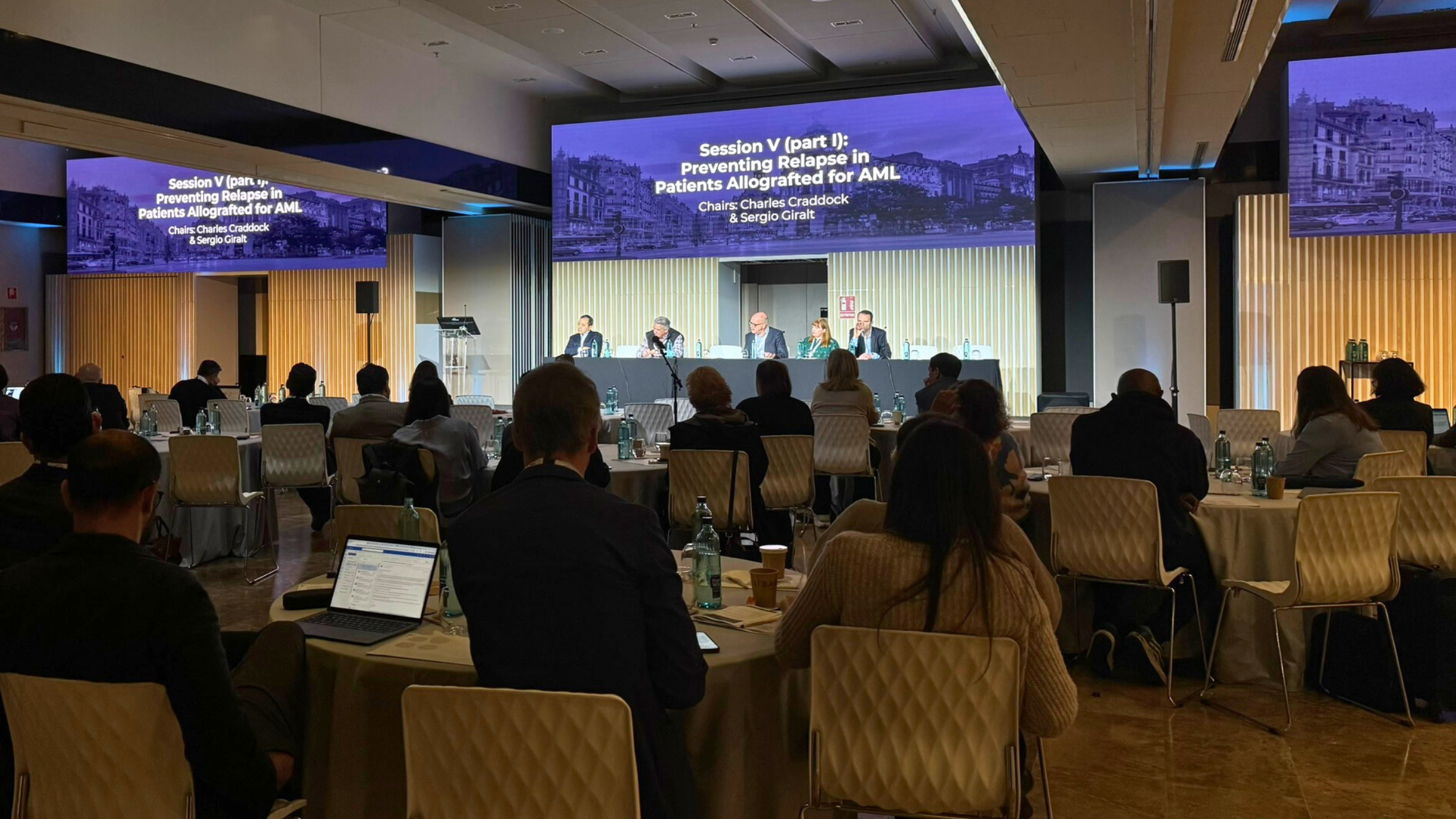
Preventing Relapse in Patients Allografted for AML
This session focused on ongoing and planned clinical trials aimed at preventing relapse after allogeneic transplantation for AML, with perspectives from the US, UK, and Germany.
Yi-Bin Chen (US) highlighted recent completed trials, including BMT CTN 0901 evaluating conditioning intensity, and studies of gilteritinib maintenance. He briefly discussed emerging concepts, such as blinatumomab maintenance in MRD-negative ALL post-HCT and HMA-based approaches for high-risk AML and MDS. Dr. Chen emphasized key challenges in post-transplant intervention trials, including limited genetically defined populations, regulatory hurdles for agents developed pre-transplant, and variability in global standards of care. He proposed that future maintenance and pre-emptive strategies should be guided by personalized, time-sequenced MRD monitoring rather than pre-transplant disease characteristics alone, integrating GvHD biomarkers to inform immunosuppressive tapering.
Victoria Potter (UK) presented the IMPACT program, the UK’s national stem cell transplant clinical trials partnership, a national project to develop clinical trials in stem cell transplantation ensuring geographical distribution and equally access in the UK which aim to address questions across the HSCT pathway. She summarized completed studies, including conditioning-focused trials to be presented at ASH, and ongoing maintenance studies, such as the AMADEUS trial evaluating oral azacitidine (results expected 2026) and a randomized prophylactic DLI study. Over 1,000 patients have been treated within this platform, reflecting robust infrastructure for high-quality prospective research.
Thomas Schroeder (DE) provided an overview of ongoing and planned German studies, emphasizing targeted post-transplant maintenance strategies, including IDH and menin inhibition. He also discussed the complementary role of observational and registry-based studies, noting challenges in conducting post-transplant randomized trials in collaboration with industry partners. Prospective registries are planned to evaluate the impact of MRD-guided interventions and other novel therapeutic strategies.
The session concluded with an interactive discussion among chairs, speakers, and attendees, emphasizing the critical need for prospective, multicentre trials in this area, as well as the logistical and scientific challenges inherent in their design and execution.
Best Abstracts Session
The Best Abstracts Session highlighted cutting-edge translational and clinical research addressing mechanisms of relapse and novel post-transplant interventions.
Annalisa Tameni (IT), in “Exploiting Transcriptional and Metabolic Vulnerabilities to Counteract Leukemia Immune Escape After Transplantation” explored the interplay between metabolic rewiring and epigenetic alterations driving AML relapse post-allo-HSCT. Using RNA sequencing, liquid chromatography-mass spectrometry, and single-cell energetic profiling, she identified two mutually exclusive relapse modalities: HLA class II downregulation and upregulation of inhibitory molecules. Upregulation of inhibitory molecules related relapses displayed a transcriptional and metabolic shift toward a pro-oxidative state, implicating pyroglutamic acid, while lactic acid emerged as an epigenetic regulator via histone lactylation. These findings highlight metabolic reprogramming as a critical feature of immune-evasive AML relapses.
Joanne Baek (US), in “Base-Editing Human Hematopoietic Stem Cells to Enable Venetoclax Post-Transplant Maintenance Therapy for AML” described a strategy to overcome dose-limiting cytopenias from post-transplant venetoclax therapy. Ex vivo base-editing of HSCs introduced mutations in the BCL2 BH3-binding pocket, conferring selective venetoclax resistance while preserving stem cell function, enabling potential post-transplant maintenance therapy.
Rebecca Epperly (US) presented her work on naïve T cell–depleted haploidentical HCT with selected blinatumomab for pediatric hematologic malignancies relapsed after prior HCT, demonstrating feasibility and relevance of combining cellular depletion with targeted immunotherapy.
Livius Penter (DE), in “Phenotypes and TCR Repertoires of Leukemia Cutis-Associated T Cells: Long-Term Remissions After CTLA-4 Blockade” presented translational insights from ipilimumab treatment in AML relapse post-allo-HCT. Using single cell RNA sequencing to study leukaemia cutis, he found more regulatory T cells and fewer NK cells, and strong T cell exhaustion, as well as high levels of donor immune cells in eAML sites, which occurs after approximately 1 year. Finally, he described an overlap between bone marrow and eAML TCR repertoire, while shared T cell clons have a tissue-dependent phenotype.
Chrystal Louis (US) presented insights of a trials in Progress: “A Phase1/2 Study Evaluating the Efficacy and Safety of T-Cell Receptor Engineered Donor T Cells in Subjects with Acute Myeloid Leukemia, Myelodysplastic Syndromes, or Acute Lymphoblastic Leukemia Who Are Undergoing Allogeneic Peripheral Blood Stem Cell Transplantation (ALLOHA)”. TSC-101 is a donor-derived engineered TCR T cell product designed to selectively eliminate residual patient-derived hematopoietic cells by targeting HA-2. She presented the trial outline and the challenges associated with study design and implementation, including hurdles by regulatory agencies and limitations of real-world data from a transplant registry for a pivotal trial development of novel cellular therapies.
Finally, Gregory Roloff (US) presented real-world outcomes of adult B-ALL patients relapsed or refractory after brexucabtagene autoleucel. In a multicentre retrospective study (2021–2024; n=294), 1-year overall survival was 36%, with remission duration exceeding six months identified as a key prognostic factor.
Closing Remarks
The conference highlighted substantial scientific progress in understanding and preventing relapse after HSCT and cellular therapies. Multi-dimensional profiling: single-cell, immunologic, metabolic, and microbiome-based is increasingly informing precision interventions, including MRD-guided and individualized maintenance strategies. Innovations in cellular therapy, such as improved CAR T-cell persistence, combinatorial targeting, engineered antigen-specific T-cell products, and emerging in vivo CAR platforms, represent major steps toward enhancing long-term disease control. There was broad consensus that collaborative, multicentre clinical trials integrating advanced monitoring, biomarker-driven risk stratification, and next-generation therapeutics are essential to translate these advances into standard practice.
Final Thoughts
The meeting reinforced that relapse after transplant remains the principal obstacle to long-term cure in hematologic malignancies, despite substantial progress achieved in recent years. Overcoming this challenge will require a multifaceted strategy that integrates mechanistic insights, precision diagnostics, and innovative cellular and pharmacologic therapies, supported by rigorous prospective trials.
Across sessions, a consistent theme emerged: the future of relapse prevention lies in individualized, biology-informed interventions supported by real-time disease and immune monitoring and accelerated by high-quality translational research.